

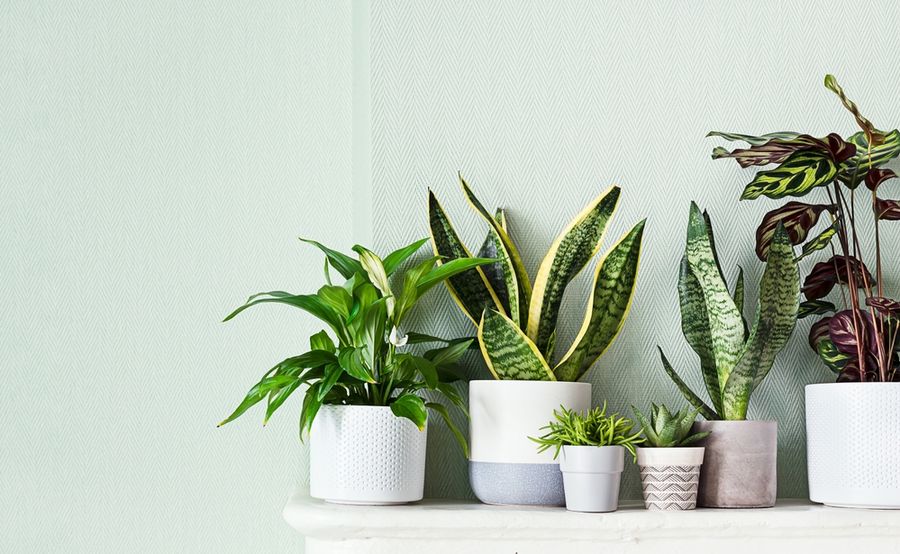
Houseplants have a way of making a home feel more alive, but the fear of accidentally losing one keeps a lot of people from even trying. The good news is that plenty of plants are practically designed to thrive on a little neglect. Forgetful waterers, low-light apartments, and busy schedules don't have to mean a graveyard of crispy leaves on the windowsill. With the right plant pairing, almost anyone can build a green oasis at home without daily fuss or the pressure of getting everything perfect.
Snake Plant
Snake plants (Sansevieria, sometimes called mother-in-law's tongue) are arguably the toughest houseplant on the market. They tolerate just about every condition that would do in fussier plants, including low light, infrequent watering, dry indoor air, and inconsistent temperatures. Their tall, sword-like leaves come in striking shades of green and yellow, which adds a bit of architectural drama to any room.
Care is genuinely minimal. Water only when the soil is completely dry, which often means every two to three weeks (or even less during winter months). Overwatering is the only real way to harm a snake plant, so when in doubt, hold off another few days. Snake plants also help clean indoor air by absorbing common toxins, which makes them a smart pick for bedrooms or home offices.
Pothos
Pothos is the go-to plant for new plant parents who want something fast-growing and lush. The trailing vines look beautiful spilling over the edge of a shelf, hanging in a basket, or training up a wall trellis. Pothos comes in several varieties (golden, marble queen, neon, jade) so you can pick a leaf color and pattern that matches your style perfectly.
It thrives in just about any indoor lighting condition, from low to bright indirect light, and it forgives you for forgetting to water. Wait until the top inch of soil dries out, then give it a thorough drink. The leaves droop noticeably when thirsty, which is basically a built-in reminder. Trim long vines occasionally to keep the plant looking full and bushy rather than scraggly.
ZZ Plant
The ZZ plant (Zamioculcas zamiifolia) is one of the most forgiving houseplants you can buy. Its glossy, dark green leaves bring a sleek, modern look that fits perfectly in offices, hallways, or any spot that doesn't get much natural light. The thick, potato-like rhizomes underground store water, which is why the plant can go weeks without a drink and still look fresh.
ZZ plants tolerate low light beautifully and barely complain about dry indoor air. Water sparingly, only when the top two inches of soil are completely dry, usually every two to three weeks. Avoid overwatering at all costs, since the rhizomes can rot quickly in soggy soil. Just be aware that the plant is mildly toxic to pets, so keep it out of reach of curious cats and dogs.
Spider Plant
Spider plants are the friendly, easygoing kind of houseplant that practically wants to multiply. The arching green-and-white striped leaves give them a cheerful look, and they regularly produce "babies" (small plantlets on long stems) that you can pot up and share with friends. They're the kind of plant that grows on you fast, both literally and figuratively.
Spider plants do best in bright, indirect light, but they tolerate lower light too. Water when the top inch of soil feels dry, usually about once a week. They're pet-friendly, non-toxic, and forgive most rookie mistakes. If the leaf tips brown, switch to filtered or distilled water, since spider plants can be sensitive to the chemicals in tap water in many regions across the country.
Heartleaf Philodendron
The heartleaf philodendron looks similar to pothos and is just as forgiving, but it has its own charm. The soft, heart-shaped leaves grow in long trailing vines that look beautiful draped over a bookshelf, a high cabinet, or in a hanging planter near a window. Many plant parents start with one and end up adopting several more once they see how well it does.
Heartleaf philodendrons thrive in medium to bright indirect light but tolerate lower light without complaint. Water when the top inch of soil dries out, roughly every one to two weeks. They benefit from an occasional wipe of the leaves with a damp cloth to keep them dust-free. Like pothos, they're easy to propagate by cutting a vine and rooting it in a glass of water.
Aloe Vera
Aloe vera is the houseplant that earns its keep. Not only is it nearly impossible to harm with neglect, but the gel inside its plump leaves can soothe minor burns and skin irritations. The plant has a sculptural, slightly architectural look that fits beautifully on kitchen windowsills, where you can also reach for it when you need a quick remedy.
Aloe loves bright, sunny windows and well-draining soil. Water deeply but infrequently, usually every two to three weeks, and let the soil dry completely between waterings. Overwatering is the most common mistake people make, so when in doubt, wait longer. Aloe produces baby "pups" at the base over time, which you can separate and pot up into new plants once they reach a few inches tall.
Peace Lily
The peace lily is one of the few easy-care plants that also blooms reliably indoors. The glossy dark green leaves and elegant white flowers make it look more like a high-maintenance plant than it actually is. Peace lilies tolerate low light, although they bloom more in medium to bright indirect light. They're a smart pick for offices or shaded corners of a home.
They're also one of the most communicative houseplants you can own. When a peace lily needs water, its leaves droop dramatically, perking right back up within hours of a good drink. Water about once a week, when the top inch of soil feels dry. The plant is mildly toxic to pets, so keep it somewhere curious cats and dogs can't reach easily.
Chinese Evergreen
Chinese evergreens (Aglaonema) are stunning, low-fuss plants that come in a wide variety of leaf patterns. Some have bold pink veining, others feature silver speckles or creamy white edges, and all of them bring tropical flair to your space. They look fancy enough to make guests assume you're a serious plant person, but they're shockingly easy to care for.
Chinese evergreens tolerate low light and don't mind irregular watering. Let the top inch or two of soil dry out before watering again, usually once a week or so. They prefer warmer temperatures and a bit of humidity, so an occasional misting helps them thrive. Avoid placing them in cold drafts or near AC vents. Like a few others on the list, they're toxic to pets, so plan accordingly.
Cast Iron Plant
The cast iron plant (Aspidistra elatior) earned its name for a reason. It tolerates conditions that would finish off most houseplants in a week, including deep shade, neglect, drafts, and dry indoor air. The long, deep green leaves grow upright in a graceful clump, giving the plant a classic, timeless look that fits into traditional or modern decor with equal ease.
Cast iron plants grow slowly, but they last for years (often decades) when given basic care. Water when the top two inches of soil dry out, usually every couple of weeks. They prefer indirect light and don't like direct sun on their leaves. The plant is also pet-friendly, which makes it a smart pick for homes with curious cats or dogs that like to nibble greenery.
Building Your Indoor Jungle One Plant at a Time
Starting with beginner-proof houseplants is the smartest way to build confidence as a plant parent. Once you've kept a snake plant, pothos, or spider plant happy for a few months, you'll start to recognize when a plant needs water, more light, or a bigger pot. The skills carry over to fussier plants down the road if you decide to expand your collection later.
Start with two or three of the plants from the list and see how they do in your space. Pay attention to which spots get the most light, which corners feel coldest in winter, and how often you actually remember to water. Plant care gets easier and more intuitive over time, and before long, your home will feel like the green, calming oasis you were hoping for all along.