

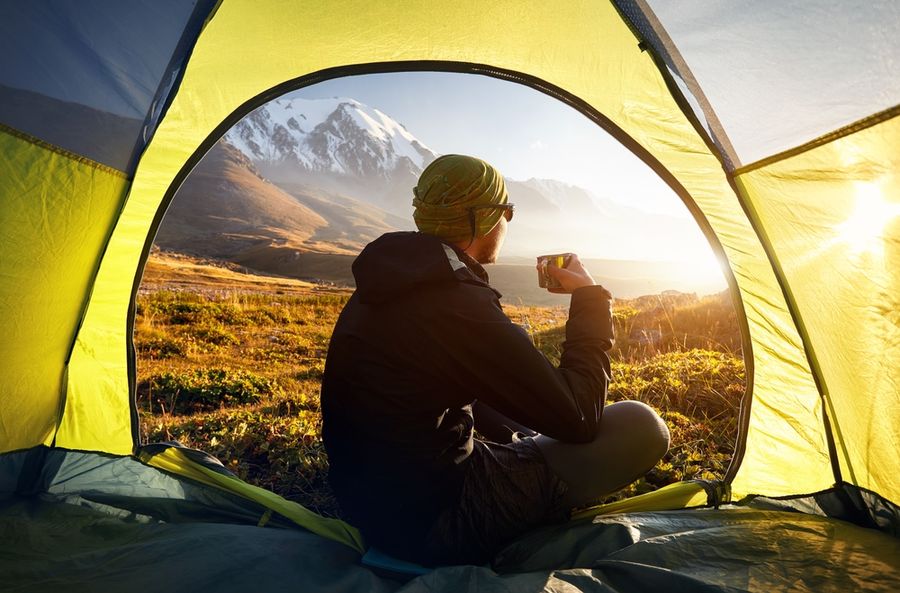
A great tent makes all the difference between a memorable trip and a miserable one. Whether you're heading to a state park with the family, glamping at a national forest, or backpacking a remote trail, the right shelter sets the tone for the whole experience. Today's options span sturdy canvas wall tents, lightweight backpacking models, and budget-friendly campground picks. Picking the right one comes down to matching the tent to your travel style, the weather you'll face, and how many people are coming along.
REI Co-op Base Camp 6
The REI Co-op Base Camp 6 consistently lands at the top of tent reviews, and for good reason. With 84 square feet of floor space, it sleeps up to six people comfortably and stands just over six feet tall at its peak. The mountaineering-inspired design uses four intersecting poles plus a brow pole that bumps out the vestibule, creating 27 square feet of covered space in front and 17 in the rear.
It's freestanding, so it can stay up without stakes, which is helpful when you're rolling into camp late. Once fully staked and guyed out, it handles heavy rain and strong winds beautifully. Reflective trim catches headlamp beams at night, and large doors at either end let people exit without crawling over tentmates in the middle of the night.
Kelty Discovery Basecamp 4
For anyone just getting into camping or who only goes a few times a year, the Kelty Discovery Basecamp 4 is hard to beat. The classic crossed-pole design uses Quick Corners (short pole sleeves that secure pole ends) for fast setup. Even without instructions, most people get it pitched in well under 15 minutes on the first try.
The brow pole sets the porch coverage farther back than other budget tents, which actually keeps the door area dry during fair-weather rain. The single door is huge, making access easy, and storage pockets line the interior to keep gear organized. Available in both 4- and 6-person versions, it's a smart starter tent or backup for occasional weekend trips out to the campground.
The North Face Wawona 4
The North Face Wawona 4 stands out for its massive 28-square-foot vestibule, which is roomy enough to keep camp chairs, coolers, and a pile of gear out of the weather. A unique hooped pole design kicks the vestibule space outward, creating an almost porch-like covered area in front of the door. Interior height tops out at 68 inches, so most adults can move around comfortably.
The recent redesign upgraded the Wawona from a single-wall to a double-wall design and re-engineered the poles for easier setup. A smaller rear door doubles as an organizational hub. Ventilation is excellent for humid or coastal conditions. The rainfly doesn't fully cover the rear door, so it's best suited to fair-weather camping rather than serious storms or driving rain.
NEMO Aurora Highrise 4P
The NEMO Aurora Highrise 4P is one of the most livable tents on the market for taller campers. A clever pole design pushes the walls out to nearly vertical angles, giving you a 75-inch peak height that extends across most of the interior, not just one tiny spot in the middle. Even 6-foot-3 campers can stand up and move around without hunching over.
Behind the two doors, you'll find 62.5 square feet of floor space printed with a fun argyle pattern that brightens up the interior. Dual vestibules provide plenty of storage for gear at night. The rainfly stops short of fully covering the side windows, so wind-driven rain can be a weak point. For most trips, though, the livability gains are worth the trade-off.
Snow Peak Alpha Breeze
The Snow Peak Alpha Breeze takes glamping seriously. Four large doors (one on each wall) can be tied back for the ultimate open hangout space or zipped tight for surprising weather resistance. The A-frame construction gives it a 76-inch overhead height, the tallest of any modern camping tent in this lineup, and the front vestibule transforms into a 45-square-foot awning with included aluminum poles.
The under-awning space is one of the nicest spots to lounge with camp chairs, a table, or a cooler. Setup is a bit trickier than other tents, even with the color-coded poles, so plan for some practice runs before your first big trip. Once you've got the rhythm down, the Alpha Breeze creates the closest thing to a mobile living room you'll find anywhere.
White Duck Bell Regatta 13'
For families or groups planning extended trips, the White Duck Bell Regatta is a true canvas wall tent built for living comfortably outdoors. The 13-foot version offers 132 square feet of internal space, a soaring 8'2" overhead height, and room for four camping cots plus gear, or up to six sleeping pads spread out. Some models even support a small wood stove for cold-weather use.
The DYNATEK canvas is built like a tank and shrugs off heavy rain and alpine storms with zero leakage. The tent stands on just two sturdy poles, and the included stakes look more like rebar. The trade-offs are weight (around 70 pounds) and a larger pitch area, so you'll need help to set it up. For long stays, it's worth every penny.
REI Co-op Half Dome 2 Plus
The REI Co-op Half Dome 2 Plus has been around for 45 years, and the recent redesign added even more room and headroom to one of the most beloved tent designs in the industry. The Plus version is 4 inches longer and wider than the standard 2-person model, plus 2 inches taller, which makes it roomy enough for backpacking duos who want comfort on weekend car camping trips too.
Setup takes about three minutes, thanks to a multi-hub pole design that only requires one pole to wrangle. The rainfly's top section can drop down on dry evenings for stargazing right from your sleeping bag. At six pounds, it's a heavy backpacking tent and a super light car camping one. Internal pockets keep gear organized through long weekends or quick overnighters.
Coleman Skydome Darkroom 6
The Coleman Skydome Darkroom 6 is the modern take on the classic Coleman dome tent your parents probably owned. The standout feature is the Darkroom fabric on the rainfly, which blocks out enough light to help you sleep even when nearby campers stay up all night. A kink in each pole creates nearly vertical walls, bumping up interior headroom significantly.
Aluminum poles come pre-attached to the tent, which sounds great in theory but is a bit fussy in practice. The rainfly only covers about half the height of the walls, so it's best suited to fair-weather trips or campgrounds with decent forecasts. It's also affordable enough that even families heading out a few times a year will get plenty of value out of it.
Features to Look For When Choosing a Tent
The right tent depends on what you're using it for. Car campers can prioritize roominess, headroom, and features like vestibules and storage pockets, since weight doesn't matter much. Backpackers should focus on packed weight, ease of setup, and durability instead. Look at the rainfly design closely. A full-coverage fly handles real weather; a partial fly is fine for fair-weather use only.
Pay attention to ventilation, since condensation builds up fast in cold or humid conditions. Two doors are far more practical than one when sharing with kids or partners. Freestanding tents are easier to move and reposition after setup, which helps a lot on rocky or sandy ground. Always set the tent up at home before your first trip to avoid surprises.
Picking the Right Tent for Your Trip
The best tent is the one that fits your actual camping style, not the most expensive or feature-packed model on the shelf. Casual weekend campers do well with budget picks like the Kelty Discovery Basecamp or Coleman Skydome. Families heading out regularly will appreciate the durability of the REI Co-op Base Camp 6 or the livability of the NEMO Aurora Highrise. Glampers, group leaders, and long-stayers should look hard at the Snow Peak Alpha Breeze or White Duck Bell Regatta.
Whatever you choose, practice setting it up in your backyard before hitting the road. Familiarity makes camp setup faster, more enjoyable, and way less stressful when you're tired after a long drive. A reliable tent is the kind of investment that pays you back in better sleep, drier mornings, and more time enjoying the outdoors with the people you care about most.