

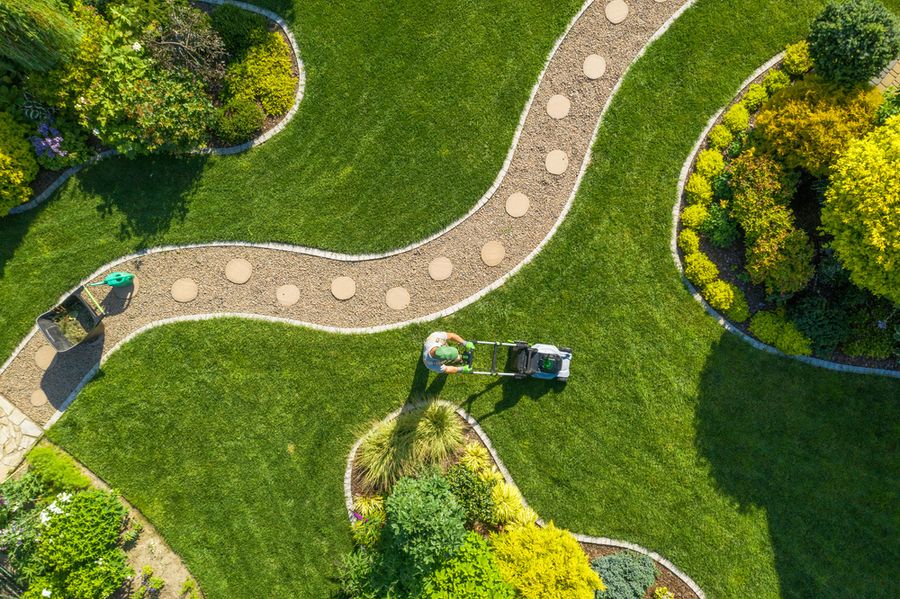
A thick, emerald-green lawn is the kind of thing that turns heads in the neighborhood and makes summer evenings on the porch feel a little more special. The reality is that getting there isn't about luck or expensive products. It comes down to understanding what your grass actually needs and giving it consistent care throughout the year. Whether you're starting with a patchy yard or just trying to make a decent lawn even better, the right habits make all the difference in how it looks.
Know Your Grass Type and Climate
Different grasses thrive in different climates, and identifying your grass type is the first step toward a healthier lawn. Cool-season grasses like Kentucky bluegrass, fescue, and ryegrass dominate in northern states. They grow best in spring and fall when temperatures hover between 60°F and 75°F. Warm-season grasses like Bermuda, zoysia, St. Augustine, and centipede do well in the South, peaking in summer heat.
Your grass type determines everything from when to fertilize to how short to mow. Check with your local cooperative extension office or look up your USDA hardiness zone to figure out what's likely growing in your yard. If you've got a mix or live in a transition zone, you may need to tailor your care to support both types throughout the seasons.
Test Your Soil First
Healthy soil is the foundation of every great lawn, and a simple soil test tells you exactly what your grass is working with. You can pick up a basic home test kit at any garden center, or send a sample to your local extension office for a more detailed analysis. The test reveals pH, nutrient levels, and whether your soil leans sandy, clay-heavy, or somewhere in between.
Most grasses prefer a slightly acidic pH between 6.0 and 7.0. If your soil tests too acidic, lime can help balance it. If it's too alkaline, sulfur brings the pH down naturally. Knowing your nutrient levels also helps you avoid over-fertilizing, which wastes money and can actually harm your lawn rather than help it grow lush and green.
Mow at the Right Height
One of the biggest mistakes homeowners make is mowing the grass too short. Scalping your lawn weakens the roots, stresses the plant, and creates the perfect conditions for weeds to take over. Most cool-season grasses do best when kept at 3 to 4 inches tall, while warm-season varieties like Bermuda can be kept slightly shorter at around 1 to 2 inches.
Follow the one-third rule: never cut more than one-third of the grass blade in a single mow. Keep your mower blades sharp, since dull blades tear the grass instead of cutting it cleanly, leading to brown tips and disease vulnerability. Also, leave clippings on the lawn (a practice called grasscycling), so they break down and feed the soil with natural nutrients between feedings.
Water Deeply but Infrequently
Watering little and often is one of the worst lawn care habits. Shallow watering trains the grass roots to stay near the surface, which makes the lawn far more vulnerable to drought, heat, and disease. Deep, infrequent watering pushes roots to grow downward, where they find more moisture and become much more resilient overall.
Aim for about one inch of water per week, including rainfall. The best time to water is early morning, between 6 a.m. and 10 a.m., which gives the grass time to dry before evening and reduces the risk of fungal problems. You can place a small can or rain gauge on the lawn to measure how much water you're applying. Most sprinklers need 30 to 45 minutes to deliver an inch.
Feed Your Lawn at the Right Times
Fertilizing your lawn provides the nutrients grass needs to grow thick and green, but timing matters as much as the product you choose. Cool-season grasses do best with feedings in early spring and again in fall. Warm-season grasses prefer late spring and summer feedings when they're actively growing. Always follow the application rates on the bag, since over-fertilizing burns the grass and pollutes nearby waterways.
Look for a fertilizer with the right NPK ratio (nitrogen, phosphorus, potassium) for your situation. Most established lawns benefit from a higher nitrogen blend for green growth. Slow-release granular fertilizers feed the lawn gradually over weeks, which beats the quick-release types that give a fast green-up but fade quickly. Water lightly after applying to help everything absorb properly.
Aerate Once a Year
Compacted soil is one of the biggest enemies of a thick, healthy lawn. Over time, foot traffic, lawnmowers, and rain compress the soil, making it harder for water, air, and nutrients to reach the roots. Aerating your lawn once a year (in fall for cool-season grasses or late spring for warm-season ones) pulls small plugs of soil out, opening up space for everything your grass needs to thrive.
You can rent a core aerator from most home improvement stores. For smaller yards, manual aerator tools or even spike sandals can work too. After aerating, leave the soil plugs on the lawn to break down naturally and feed the grass. It's one of the highest-impact things you can do all year.
Overseed for a Thicker, Fuller Lawn
Even healthy lawns thin out over time. Overseeding (spreading new grass seed over an existing lawn) is the secret to keeping things looking lush and full year after year. The best time to overseed cool-season grasses is early fall, when temperatures cool down but the soil is still warm enough for fast germination. For warm-season lawns, overseed in late spring instead.
Mow the lawn shorter than usual before overseeding, then spread seed evenly with a broadcast spreader. Rake gently to help the seed make contact with the soil. Keep the area lightly watered until the new grass is well-established, which typically takes about three to four weeks. Combining overseeding with aerating in the same week gives even better results for a noticeably fuller lawn.
Deal With Weeds and Pests Naturally
A thick, well-fed lawn is the single best weed control there is. Dense grass crowds out most weeds before they get a chance to take root. For weeds that do pop up, hand-pulling works well for dandelions and other broadleaf invaders, especially when the soil is moist. Spot-treat stubborn weeds with a targeted herbicide rather than blanketing the whole lawn with chemicals.
Common lawn pests like grubs, chinch bugs, and armyworms can cause brown patches if left unchecked. Inspect any troubled spots by digging up a small section and looking for insects in the top inch of soil. Beneficial nematodes, milky spore, and other natural treatments handle most pest problems without harsh chemicals. Birds and beneficial insects also help keep populations balanced over time.
Stay on Top of Seasonal Maintenance
A great lawn requires year-round attention, not just summer effort. In spring, rake out winter debris, dethatch if needed, apply pre-emergent weed control, and start mowing as the grass wakes up. In summer, focus on consistent watering, regular mowing, and spot-treating any pest or weed issues that pop up during the heat of the season.
Fall is the most important season for cool-season lawns. Aerate, overseed, fertilize, and rake leaves before they smother the grass. In winter, keep foot traffic off frozen or dormant grass, and make sure your mower is cleaned and stored properly for spring. A printable seasonal checklist or smartphone reminders can help you stay on top of everything without feeling overwhelmed by it all.
Enjoying the Lawn You've Worked For
A lush, green lawn is one of those quiet rewards that pays off every time you walk barefoot through the grass or host a backyard barbecue. The work behind it isn't complicated. It's about knowing your grass, treating your soil right, mowing and watering smart, and staying consistent through the seasons. None of the individual steps are hard, but small habits really do add up over time.
Remember, don't try to fix everything at once. Pick one or two areas where your lawn is struggling, focus on those, and build from there. A healthy lawn becomes more forgiving and self-sustaining with each passing year. With a little patience and the right routine, your yard can become the kind of green, inviting space you actually want to spend time in all season long.