

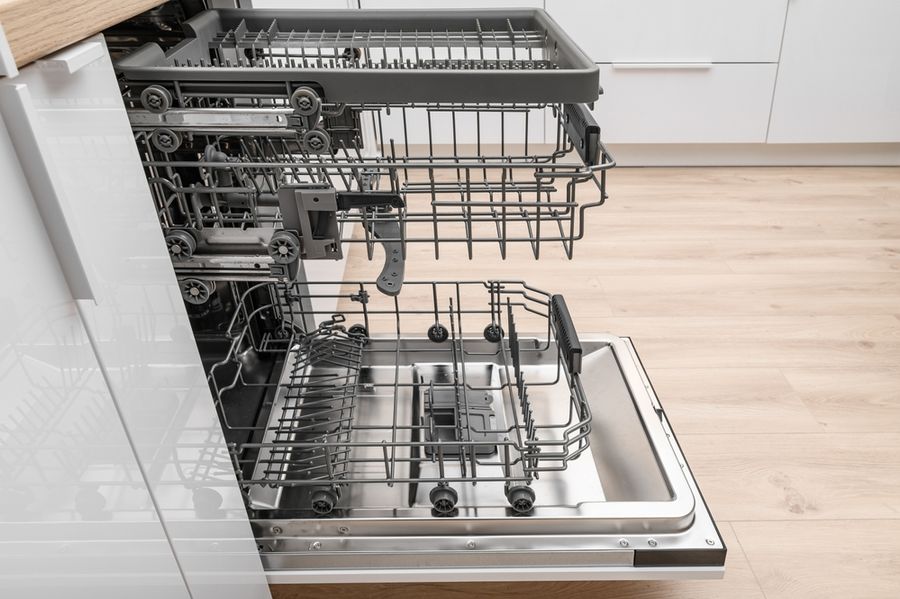
A dishwasher is supposed to do the dirty work, but over time, it can start collecting plenty of grime of its own. Bits of food, soap scum, hard water deposits, and even mildew can build up inside, leaving your dishes spotty and your kitchen smelling less than fresh. The good news is that a thorough monthly cleaning takes less than 30 minutes of hands-on work and helps your appliance run better, smell cleaner, and last way longer than one that's been neglected.
Why Your Dishwasher Needs a Monthly Deep Clean
Even though it spends most of its life full of soapy water, a dishwasher gets surprisingly dirty over time. Food particles get trapped in the filter, hard water minerals build up on the spray arms, and soap scum can coat the interior walls. Over weeks and months, the buildup leaves your dishes streaky, your glasses cloudy, and your kitchen with a faint, funky smell every time you open the door.
A clean dishwasher also runs more efficiently, uses less energy, and lasts longer overall. Major manufacturers like Whirlpool and GE recommend a deep clean at least once a month to prevent the kind of buildup that causes mechanical issues or expensive repairs down the road. A few minutes of routine maintenance saves you from much bigger problems later.
Gather Your Supplies First
You don't need fancy cleaners to deep clean your dishwasher. Most of what you need is probably already sitting in your pantry. Stock up on white vinegar, baking soda, dish soap, a soft toothbrush or small scrub brush, a microfiber cloth, and a dishwasher-safe cup or bowl. Rubber gloves are a smart addition because the filter area can hold some genuinely unpleasant debris.
If you have hard water or notice serious mineral buildup, a citric acid powder or a commercial dishwasher cleaner like Affresh or Finish can help with the heavy lifting. Avoid using bleach, especially in dishwashers with stainless steel interiors, since it can damage the finish over time. Stick with gentle, food-safe ingredients whenever possible for the safest, most reliable deep clean.
Empty and Inspect the Dishwasher First
Before you start, empty out anything inside, including the racks if they're removable. Take a quick look at the bottom of the tub for trapped food, broken glass, or other debris that might have escaped the filter over time. A quick inspection before cleaning helps you spot bigger issues like a clogged spray arm or a worn gasket that might need extra attention.
Run your hand along the walls, the door, and the bottom of the tub to feel for any sticky spots or residue you might miss with just a visual check. Check the racks for rust or damaged coating that could be transferring marks to your dishes. If a rack roller is loose or wobbly, tighten or replace it before the next wash to avoid bigger headaches later.
Clean the Filter Thoroughly
The filter is the single most important part of your dishwasher to clean, and the one most people forget about entirely. Located at the bottom of the tub, the filter catches food particles before they recirculate onto your dishes. A clogged filter is the number one cause of poor dishwasher performance and that lingering smell that won't go away, no matter how many cycles you run.
Twist or unlock the filter (check your owner's manual if you're unsure how), then rinse it under hot running water. Use a soft brush and a drop of dish soap to scrub away stuck-on food and gunk. For heavy buildup, soak the filter in warm vinegar water for 10 minutes before scrubbing. Once it's clean and clear, lock it back into place securely.
Wipe Down the Door, Seals, and Gasket
The door and seals collect more grime than you'd expect because they don't get sprayed during the wash cycles. Open the dishwasher and use a damp microfiber cloth dipped in warm soapy water to wipe down the inside of the door, the top edge, and around the latch. Mildew loves the rubber gasket that runs along the door, so give it extra attention with a toothbrush.
A 50/50 vinegar and water solution works well for cutting through soap scum on the gasket and any visible mold or mildew spots. Don't forget to wipe down the bottom edge where the door meets the tub. That spot tends to collect food crumbs and standing water, which can cause odors and even small leaks if left unchecked for too long.
Clear Out the Spray Arms
The spray arms have small holes that can get clogged with hard water deposits, food particles, and mineral buildup over time. When the holes are blocked, water can't reach your dishes effectively, which is why your glassware might look spotty, or your plates still feel dirty after a wash. Detach the spray arms (they usually twist or pop off easily) and inspect each hole carefully.
Use a paper clip or tweezers to gently push debris out of each spray hole. Soak the spray arms in warm vinegar water for about 15 minutes to dissolve mineral deposits, then rinse them thoroughly under hot water. Reattach the arms and give them a spin with your hand to make sure they rotate freely before running your next cycle.
Run a Hot Vinegar Cycle
Once the manual cleaning is done, it's time to deep clean the inside of the machine itself. Fill a dishwasher-safe bowl or cup with one to two cups of plain white vinegar and place it upright on the top rack. Make sure the dishwasher is otherwise empty, then run it on the hottest, longest cycle available. The vinegar disperses throughout the wash, breaking down mineral deposits, soap scum, and lingering odors.
The acid in vinegar is gentle enough not to damage your appliance but strong enough to dissolve the buildup that has been sitting on the interior for weeks. Don't use vinegar more than once a month, since overuse can wear down rubber seals over time. After the cycle ends, you should already notice a fresher smell and a cleaner-looking interior tub.
Follow Up With a Baking Soda Cycle
After the vinegar cycle finishes, sprinkle one cup of baking soda evenly across the bottom of the empty dishwasher tub. Run a short, hot cycle (or just a rinse cycle if your machine has one). The baking soda works as a natural deodorizer, neutralizing lingering smells and adding a final polish to the interior surfaces of the dishwasher.
Baking soda also helps remove any leftover vinegar smell, leaving the dishwasher fresh and ready for its next load of dishes. For stubborn stains or odors, you can let the baking soda sit on the bottom of the tub overnight before running the cycle. The combination of a vinegar wash followed by a baking soda rinse is the gold standard for monthly maintenance.
Daily and Weekly Habits That Keep It Cleaner Longer
Small habits between deep cleans make a huge difference. Scrape large food pieces off plates before loading (you don't need to fully rinse, but big chunks shouldn't go in). Wipe down the door edge and gasket once a week with a damp cloth to prevent mildew from getting a foothold. Leave the door cracked open after a cycle so moisture can evaporate rather than sitting inside.
Be sure to check the filter every couple of weeks and rinse it if you see food particles starting to collect. Run the dishwasher with a full load on the hottest setting at least once a week, since hot water cycles help prevent buildup. Use a rinse aid if you have hard water, as it helps reduce spotting and keeps the interior cleaner between deep cleans.
Keeping Your Dishwasher in Top Shape for Years
A well-maintained dishwasher cleans better, lasts longer, and saves you money on repairs and replacement appliances. The monthly deep clean might feel like one more chore on the list, but a clean machine actually saves you time in the long run by preventing the gross buildup, smells, and underperformance that lead to bigger problems. Most modern dishwashers can run for 10 to 15 years with proper care.
The whole process takes maybe 30 minutes once a month, and most of that is hands-off while the cycles run. Build it into your monthly cleaning routine the way you would changing furnace filters or wiping down the fridge. With a regular deep clean, your dishes will come out sparkling, your kitchen will smell fresher, and your appliance will reward your effort with years of reliable service.