

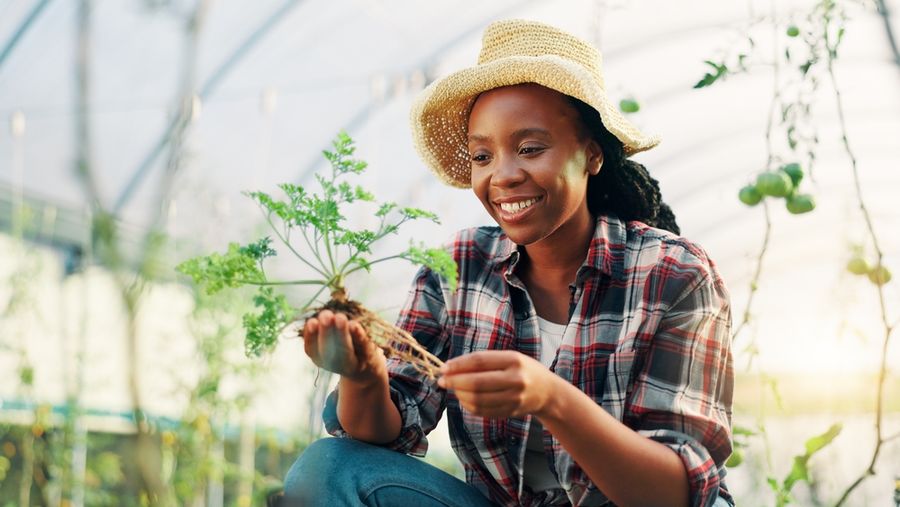
Starting a vegetable garden from scratch is one of the most satisfying projects you can take on at home. Watching tiny seeds turn into actual food you grew yourself never really gets old. The good news is that you don't need a green thumb, a giant backyard, or expensive tools to get started. With a little planning, some decent soil, and a sunny spot, almost anyone can grow fresh tomatoes, lettuce, peppers, and more, even if you've never grown so much as a houseplant before.
Pick the Right Spot in Your Yard
Sunlight is the single most important factor in a successful vegetable garden. Most veggies need at least six to eight hours of direct sun a day to produce well, so spend a few days observing your yard before you commit. Watch where the morning light hits, where shadows creep in by afternoon, and where the sun blazes longest. A south-facing spot is ideal in most parts of the U.S.
Beyond sunlight, look at drainage and access. Avoid low spots where water pools after rain, since wet roots invite rot and disease. Pick somewhere close to a hose or rain barrel so watering doesn't become a chore you skip. Bonus points if you can see the garden from a window, since being able to glance at it daily makes regular check-ins way easier.
Decide Between In-Ground, Raised Beds, or Containers
Your garden style depends on your space, soil quality, and how much effort you want to put in upfront. In-ground gardens are the most affordable option but require decent native soil to work well. Raised beds are the most popular choice for beginners because they let you control the soil quality, drain better, and reduce weeding. They also save your back since you don't have to bend as far down.
Containers are perfect if you're on a patio, balcony, or rental where you can't dig into the ground. Tomatoes, peppers, lettuce, herbs, and even bush beans thrive in 5-gallon pots or larger. Whichever style you pick, start small. A 4-by-8-foot raised bed or four to six containers gives you plenty to manage as a first-timer without becoming overwhelming.
Test and Prep Your Soil
Good soil is the foundation of every productive vegetable garden, so don't skip the prep work. Healthy soil should be dark, loose, and crumbly with a slightly earthy smell. A simple home soil test kit tells you the pH and nutrient levels, which helps you figure out what to add. Most vegetables prefer slightly acidic to neutral soil, around 6.0 to 7.0.
If you're using raised beds or containers, fill them with a mix of high-quality garden soil, compost, and a bit of aged manure or worm castings. For in-ground beds, work two to three inches of compost into the top six to eight inches of native soil. Compost feeds the soil microbes and improves drainage at the same time, which is the gardening equivalent of a one-two punch.
Start With Easy Beginner-Friendly Vegetables
Some vegetables are way more forgiving than others, and starting with the easy ones builds confidence fast. Lettuce, radishes, green beans, zucchini, cucumbers, and cherry tomatoes are nearly foolproof for first-time gardeners. Herbs like basil, parsley, and chives are even simpler and pay you back all summer long. Be sure to stay away from finicky crops like cauliflower, celery, or melons until you've got a season or two under your belt.
Also, pick varieties bred for your climate or container size if you're growing small. Look for words like "compact," "patio," or "bush" on seed packets, which signal smaller plants that work well in tight spaces. Don't plant more than you'll actually eat, either. One zucchini plant can feed a small neighborhood, so a little restraint goes a long way.
Know Your Growing Zone and Frost Dates
Every vegetable has a window when it grows best, and timing depends entirely on where you live. The USDA Plant Hardiness Zone Map tells you which zone you're in based on average winter temperatures, and that helps you know when to plant what. Your last spring frost date and first fall frost date set the boundaries of your growing season every year.
Cool-season crops like spinach, peas, broccoli, and lettuce can go in the ground a few weeks before your last frost. Warm-season favorites like tomatoes, peppers, squash, and beans wait until soil temperatures hit at least 60°F. Your local cooperative extension office or a free site like the Old Farmer's Almanac will give you a precise planting calendar for your specific zip code.
Plan Your Garden Layout
A little planning up front saves a lot of frustration later. Sketch your garden on paper before you plant anything, taking into account how tall each plant will grow and how much space it needs to thrive. Tall crops like tomatoes, pole beans, and corn should go on the north side of the garden so they don't shade out shorter veggies. Place sprawling plants like squash and pumpkins where they have room to roam.
Companion planting can also boost yields and naturally deter pests. Tomatoes love basil, carrots pair well with onions, and marigolds planted around the edges keep many bugs away. Leave enough space between rows so you can actually walk in and tend to the garden without trampling anything. Crowded gardens tend to invite disease and stunted plants.
Start From Seeds or Buy Seedlings
Both seeds and seedlings have their place in a beginner's garden. Seeds are cheap, give you way more variety, and feel deeply satisfying to grow from scratch. Easy direct-sow crops like beans, peas, radishes, lettuce, carrots, and zucchini work great as seeds planted right in the soil. For tomatoes, peppers, and other warm-season crops with long growing seasons, seedlings from a nursery save weeks of waiting.
If you do start seeds indoors, you'll need a sunny window or a grow light, seed-starting mix (not regular potting soil), and small containers. Start six to eight weeks before your last frost date for most crops. When transplanting seedlings outside, harden them off first by setting them outdoors for a few hours each day for a week.
Water, Mulch, and Feed Properly
Most vegetables need about one inch of water per week, including rainfall. Deep, infrequent watering encourages strong roots, while frequent shallow watering creates weak plants. The best time to water is early morning, which gives leaves time to dry before evening and helps prevent fungal disease. A soaker hose or drip irrigation system makes watering easier and more efficient than a sprinkler or handheld hose.
Mulch is your best friend in a vegetable garden. A two to three-inch layer of straw, shredded leaves, or wood chips holds in moisture, keeps weeds down, and regulates soil temperature. Feed your plants every three to four weeks with a balanced organic fertilizer or fish emulsion during the growing season. Healthy soil plus regular feeding equals bigger harvests and tastier produce.
Manage Common Pests and Diseases Naturally
Every garden runs into pests eventually, and that doesn't mean you've failed. Common culprits like aphids, slugs, caterpillars, and beetles can usually be managed without harsh chemicals. Hand-picking pests off in the morning, spraying soapy water on aphids, and placing copper tape around containers for slugs all work surprisingly well. Beneficial bugs like ladybugs and lacewings also keep populations in check naturally.
Disease prevention starts with healthy plants and good airflow. Don't overcrowd! Water at the base of plants rather than overhead, and rotate crops year to year so the same diseases don't build up in the soil. If a plant looks really sick, pull it out so it doesn't spread to neighbors. A quick web search or call to your local extension office can usually identify the problem fast.
Watching Your First Harvest Come to Life
There's almost nothing more satisfying than picking your first homegrown tomato, snipping fresh basil for dinner, or pulling up a handful of crunchy radishes you started from a tiny seed. The first season is always a learning curve. Some plants thrive, and some flop, and that's completely normal. Every gardener has a story about the time they planted way too many cucumbers or fought off a surprise squirrel invasion.
Start small, keep notes about what works and what doesn't, and don't be afraid to experiment with new varieties next year. Talk to neighbors who garden, follow local gardening accounts online, and lean on your cooperative extension office whenever questions pop up. A vegetable garden is a long-term project that gets better and easier with every season you grow.