

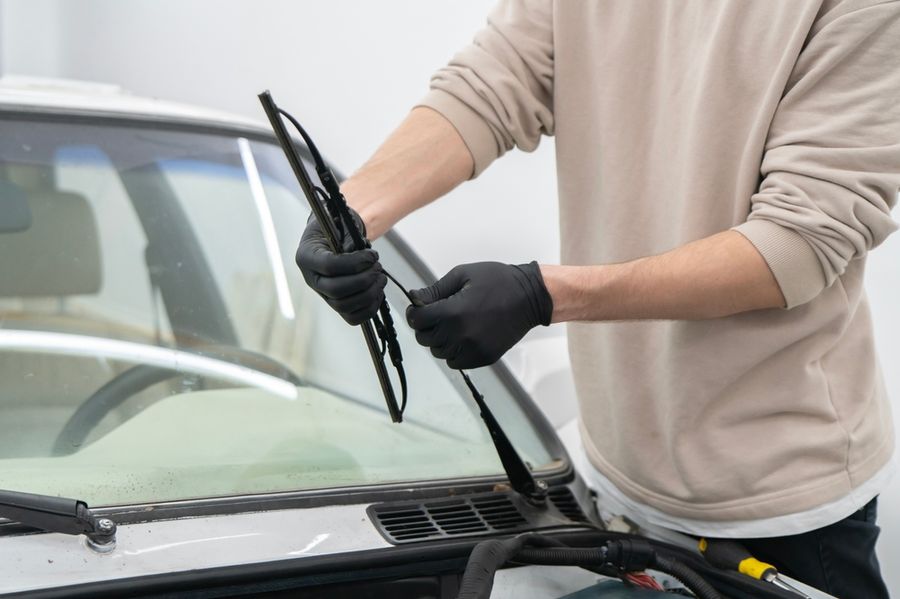
Few car maintenance tasks are as quick, cheap, and satisfying as swapping out your old wiper blades for fresh ones. Worn wipers leave streaks, miss spots, and squeak across your windshield, all of which can make driving in the rain stressful (and even dangerous!). The good news is, you don't need a mechanic or a fancy toolkit to fix the problem. With about 10 minutes and a new set of blades, you can take care of the job yourself.
Choose the Right Replacement Blades
Before heading to the auto parts store, you'll need to know the correct size and style of wiper blade for your car. Many vehicles use two different sizes, one for the driver's side and one for the passenger side. You can find your exact specs in the owner's manual or by using a lookup tool at any auto parts store website.
You'll also want to consider blade type. Traditional frame-style wipers are the most affordable, while beam-style blades offer better contact and a sleeker look. Hybrid wipers combine both designs for added performance in tough weather. Top brands like Bosch, Rain-X, Michelin, and Trico are widely trusted. Spending a few extra dollars for premium blades usually pays off in better visibility and longer life.
Gather Your Tools and Prep Your Car
The great thing about changing wiper blades is that you don't need any tools at all in most cases. The whole process is designed to be done by hand. Just make sure you've got your new blades, a clean towel or microfiber cloth, and access to a flat surface to work comfortably.
You'll want to park your car in a safe, flat spot like your driveway or a garage. Lift the hood if you need extra space to work near the windshield, though it's not always necessary. If your blades have been on a long time, give the windshield a quick wipe down with glass cleaner first. A clean surface makes it easier to test your new blades right after the install.
Lift and Remove the Old Wiper Blades
Start by gently lifting the wiper arm away from the windshield until it locks into the upright position. Be careful, since the arm has a spring that can snap back hard and crack the glass if released. Once it's secured, turn the wiper blade perpendicular to the arm. You'll see a small tab or hook that connects the blade to the arm.
You'll need to press the release tab or button on the blade's connector. The blade should slide off the arm with gentle pressure. Some older blade types may require slightly different removal steps, so check the packaging for your specific blade style. Take note of how the old blade connects, since you'll need to mirror the setup when installing the new one.
Install the New Wiper Blades
Unbox your new blades and remove any protective covers from the rubber edge. Hold the new blade at the same angle as the old one and slide it onto the wiper arm until you hear a click or feel it lock into place. Tug gently to make sure it's secure. Most modern wiper blade designs are intuitive and easy to install, even for first-timers.
You'll want to repeat the process on the other side. Once both blades are installed, carefully lower the wiper arms back onto the windshield. Don't let them snap down on the glass, since the impact can chip or crack the windshield. Lower them slowly with one hand. The whole installation usually takes less than 5 minutes per side.
Test Your New Blades Before Driving
Before hitting the road, take a moment to make sure your new blades are working properly. Turn on the windshield washer fluid and run the wipers through a full cycle. Check that they wipe smoothly, without skipping or streaking. If you notice any issues, double-check that both blades are fully clicked into place.
You'll also want to inspect the windshield after running the wipers. The glass should be cleared evenly, with no missed spots. If something looks off, remove the blade and reattach it. A quick test in your driveway is much better than discovering a problem in heavy rain at 60 mph. Once you confirm everything works, your wiper job is officially done.
Why Good Wiper Blades Matter More Than You Think
Wiper blades may seem like a small part of your car, but they play a huge role in your safety. Clear visibility during rain, snow, or even sudden bug splatter is essential for safe driving. Worn-out blades reduce visibility, increase glare from oncoming headlights, and make wet weather driving more dangerous. The few extra seconds it takes to clear your windshield can be the difference between reacting in time or not.
You'll also find that high-quality wipers protect your windshield itself. Old, frayed blades can scratch the glass over time, leading to expensive repairs or replacements down the line. Keeping fresh wipers on your car is one of the cheapest, easiest ways to maintain visibility, prevent damage, and add a layer of safety to every drive you take in poor weather.
Signs It's Time to Replace Your Wiper Blades
Wiper blades give plenty of warning signs before they fail. Streaks, smears, or skipping across the windshield usually mean the rubber edge has worn down. Squeaking, chattering, or vibrating noises are another red flag. If the blades leave entire patches of your windshield unwiped or smudge instead of clearing, it's time for a new set.
You'll also want to inspect the blades visually. Look for cracks in the rubber, bent frames, or gaps between the blade and the windshield. Even if your blades look fine, manufacturers typically recommend replacing them at least once a year. Heat, sun exposure, and freezing temperatures all break down the rubber over time, so don't wait until a heavy rainstorm to find out yours have failed.
How Often to Replace Your Wiper Blades
Most manufacturers recommend replacing wiper blades every 6 to 12 months, but the exact timing depends on your climate and driving habits. Hot, sunny climates tend to dry out rubber faster, while cold, icy regions cause blades to crack and freeze more often. Heavy use during rainy seasons can also shorten their lifespan considerably.
You'll want to make wiper blade replacement a part of your seasonal maintenance routine. A great trick is swapping them out at the start of spring and again before winter, so you've got fresh rubber for the worst weather. Many drivers replace blades at the same time as their oil changes, which is a great way to remember. Putting it on the calendar saves you from being caught off guard mid-storm.
Tips for Extending the Life of Your Wipers
A few simple habits can help your wiper blades last longer. Some of the best ways to extend the life of your wipers include:
- Always lift them off the windshield in winter to prevent freezing and tearing.
- Clean the rubber edge occasionally with a damp cloth and a little glass cleaner to remove built-up dirt, bug residue, and grit.
- Treating the rubber gently helps maintain its flexibility and grip.
- Avoid using your wipers on a dry windshield, since dust and debris can scratch both the blade and the glass.
- Apply washer fluid first to lubricate the surface.
- Parking in a garage or shaded area can help protect the rubber from UV damage.
Small habits like these add up, helping you get the most out of every set of blades you buy.
Driving Safer in Every Weather
Changing your wiper blades is one of the simplest, fastest ways to improve your safety on the road. With just a few minutes and a fresh pair of blades, you'll dramatically improve visibility, reduce strain on your windshield, and feel more prepared for whatever weather comes your way. It's a small task with a big payoff for any driver.
You'll also gain confidence the next time you face heavy rain, snow, or even just sudden splashes from passing trucks. New blades clear the glass cleanly, quietly, and reliably. Best of all, you'll have saved yourself a trip to the mechanic and the cost of professional installation. A few minutes in your driveway now makes every future drive safer and a whole lot more enjoyable.