

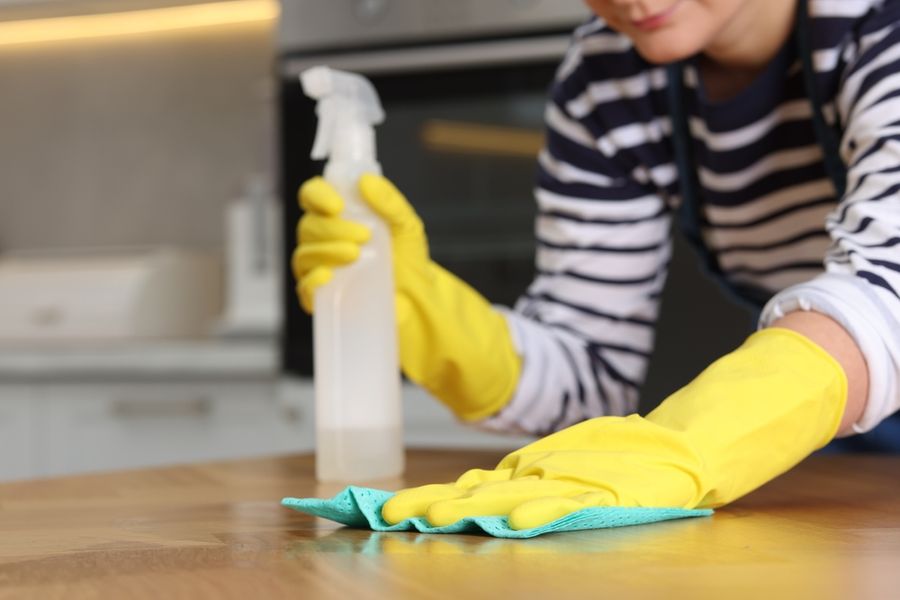
A drink left without a coaster can leave behind one of the most frustrating marks in home decor: a cloudy white ring on your favorite wood table. The good news is that water stains, even older ones, are often more removable than you may realize. With a handful of household items you probably already have on hand, you can lift most marks and restore the wood's original beauty. A little patience and the right technique go a surprisingly long way.
Understand the Difference Between White and Dark Stains
Water stains come in two main colors, and figuring out which one you've got determines how you treat it. White or cloudy rings sit on top of the finish, not the wood itself. They happen when moisture gets trapped between the finish and the air above, and they're usually fairly easy to remove with the right technique. Most cold drink rings fall into the white stain category.
Dark or black stains are trickier. They mean water has soaked through the finish and into the actual wood fibers, often leaving a permanent mark unless you sand and refinish. Heat marks from hot mugs or plates also create white, cloudy rings on the surface and respond to similar treatments. Knowing what you're dealing with saves a lot of frustrated scrubbing later on.
Try the Iron Trick First
The iron method is often the fastest fix for fresh white water stains, and it works on the principle of evaporating the trapped moisture. Fill a clothes iron with distilled water and set it to a low heat setting. Fold a clean microfiber cloth or cotton t-shirt in half and lay it over the stain. Gently press the iron on top of the cloth for about 10 seconds at a time.
Check the spot every 10 seconds by lifting the cloth and seeing if the stain has lightened. Repeat as needed, but never leave the iron in place for longer than a few seconds at a time. The gentle heat draws moisture out of the finish without damaging the wood. The fresher the stain, the better the iron method works.
Use White Vinegar for Stubborn White Stains
If the iron didn't fully lift the stain, white vinegar is your next stop. Mix equal parts distilled white vinegar and water in a small bowl. Always test the mixture on a hidden spot first, since vinegar can be acidic enough to dull some finishes. Soak a microfiber cloth in the solution, then wring it out so it's damp but not dripping wet.
Drape the cloth over the stain so it covers the entire mark, and press down gently. Let the cloth sit on the spot for about an hour. The mild acid breaks down the moisture trapped in the finish and helps lift the cloudy ring. After an hour, remove the cloth and check the progress. Repeat once or twice more if needed.
Try the Baking Soda and Vinegar Combo
For stains that just won't budge with vinegar alone, a baking soda paste can do the trick. Sprinkle a small amount of baking soda directly on the stain, then pour a few drops of distilled white vinegar over the powder. The mixture will fizz slightly, which is part of how it works. Use a soft-bristled brush (an old toothbrush works great) to very gently scrub the area in the direction of the wood grain.
Don't press too hard, since baking soda is mildly abrasive and can dull or scratch the finish if you go overboard. Once the stain lifts, wipe the residue away with a clean, damp microfiber cloth. Dry the area thoroughly so no moisture stays behind to create a brand new stain in the same spot.
The Mayonnaise Method
It sounds bizarre, but mayonnaise is a surprisingly effective remedy for white water stains and heat marks. The oil in the mayo seeps into the finish and displaces the trapped moisture, which is what makes the stain disappear. Scoop a small amount of regular full-fat mayonnaise onto a microfiber cloth and dab it directly onto the stain in a thin, even layer.
For light, fresh stains, you can rub the mayo in immediately and wipe it off after a few minutes. For older or more stubborn stains, leave the mayonnaise on for about two hours, or even overnight if needed, before wiping clean. Follow up with a wood cleaner or polish to remove any oily residue. It's an old trick, but a really good one.
Try Olive Oil and Salt for Lighter Marks
Olive oil and salt are another kitchen-pantry remedy that works particularly well for light water stains and heat marks. The salt acts as a gentle abrasive to lift surface buildup, while the olive oil restores moisture and shine to the wood finish. Mix equal parts table salt and olive oil in a small bowl until you've got a thick, gritty paste.
Apply the paste to the stain with a microfiber cloth and rub gently in circular motions, following the wood grain. Let it sit for a few minutes to let the oil soak in. Wipe the area clean with a damp cloth, then buff dry with a fresh microfiber cloth. The wood often looks better than before, with the finish slightly conditioned in the process.
Toothpaste for Quick Fixes
Plain white toothpaste (not gel, not whitening) is another surprisingly handy quick fix for fresh water stains. Toothpaste has just enough mild abrasive in it to lift surface stains without damaging most wood finishes. Squeeze a small amount onto a soft, damp cloth and rub it gently over the stain using circular motions or following the wood grain.
After a minute or two of light rubbing, wipe the toothpaste residue away with a fresh, damp cloth. For deeper or stubborn stains, mix toothpaste with a little baking soda for slightly more cleaning power. Always test on a hidden area first and dry the wood thoroughly when you're done. Like the other methods, the toothpaste trick works best on stains caught early.
Restore the Wood's Shine After Treatment
After any cleaning method, the treated spot often looks duller than the surrounding wood because the finish has been disturbed slightly. Restoring the shine is a simple but important final step. Apply a small amount of olive oil, mineral oil, or a dedicated wood furniture polish to a clean microfiber cloth. Rub the cloth gently over the treated area in circular motions until the spot blends back in.
For larger pieces of furniture, it's a smart idea to polish the entire surface, not just the spot you treated, so everything matches in sheen and color. Let the oil sit for a few minutes to soak in, then buff away any excess with a dry, clean cloth. The wood should look uniform, glossy, and beautifully restored.
Prevent Future Water Stains
Prevention is way easier than removal, and a few simple habits will keep your wood furniture looking great for years, including:
- Always use coasters under glasses, mugs, and bottles, especially during gatherings when people may forget.
- Place a heat-resistant trivet or pad under hot dishes, since heat can leave the same kind of cloudy marks as cold moisture.
- Wipe up spills the moment they happen, not five minutes later.
Beyond daily habits, polish your wood furniture every six to eight weeks with a quality furniture wax or oil. Conditioned wood resists moisture far better than dry, untreated wood. Keep furniture out of direct sunlight, which dries out the finish and makes it more vulnerable to staining. Small habits add up to wood that stays beautiful for decades to come.
Bringing Old Wood Back to Life
A water-stained piece of wood furniture doesn't have to be a lost cause. With a few simple tools you probably already have in your kitchen and a little patience, you can lift most marks and restore the natural beauty of the wood underneath. The trick is matching the method to the stain. Start with the gentlest approach first and only escalate to stronger techniques if you really need to.
Once your furniture is looking like new, a few preventative habits will keep it that way. Coasters, trivets, regular polishing, and prompt cleanup of any spills can save you a lot of work down the road. Wood furniture often becomes more beautiful with age when it's cared for properly, and a little maintenance can keep heirloom pieces looking great for generations.