

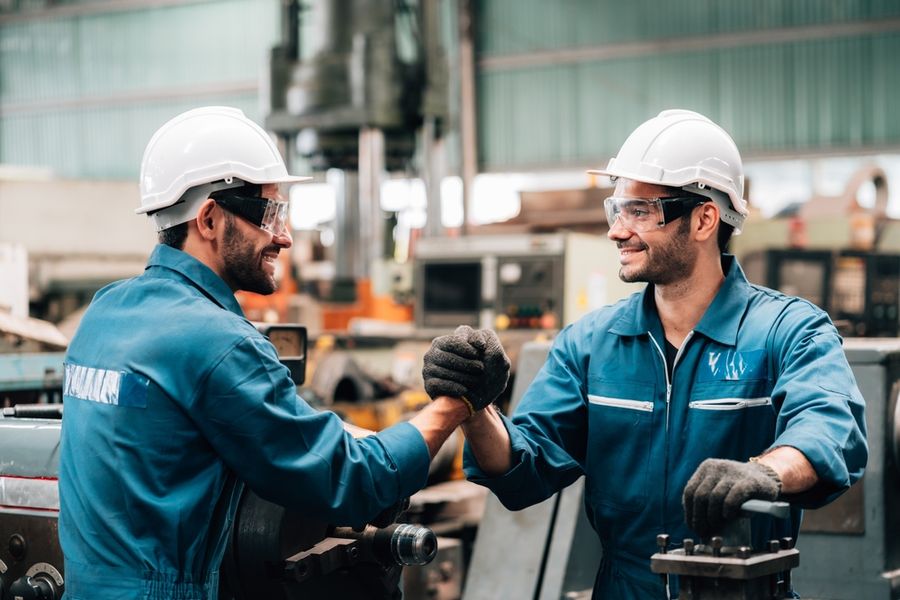
For decades, a four-year college degree was sold as the only path to a stable, well-paying career. But the script has flipped. Skilled trades are now among the most lucrative, in-demand career paths in the country, often paying more than entry-level corporate jobs without the burden of crushing student debt. From plumbers to electricians to welders, the trades are seeing booming wages, growing respect, and serious long-term opportunity. If you're rethinking your career path, the trades deserve a closer look.
The Skilled Trades Shortage Is Driving Up Wages
The U.S. is facing a massive shortage of skilled tradespeople, and the gap is driving wages up across the board. Baby boomers, who make up a huge percentage of the current workforce, are retiring faster than younger workers are entering the trades. According to the Associated Builders and Contractors (ABC), the construction industry alone needs to attract over 300,000 new workers each year just to keep up with demand.
You'll find the shortage especially severe in fields like electrical, plumbing, HVAC, welding, and machining. Many employers are responding with higher starting pay, hiring bonuses, and benefits packages designed to attract talent. The supply-and-demand imbalance means tradespeople have more leverage than ever before, with steady raises, overtime opportunities, and competitive bidding for skilled labor in nearly every region of the country.
No Crushing Student Loan Debt
One of the biggest financial benefits of the trades is starting your career without massive student debt. The average college graduate now leaves school with around $39,075 in loans, according to the Education Data Initiative. By contrast, most tradespeople enter the workforce through paid apprenticeships, meaning they earn while they learn. Trade school programs that do require tuition tend to cost a fraction of a four-year degree.
You'll start your career years earlier than a college graduate too. While your peers are still in school, you could already be earning $60,000 or more per year, building real-world experience, and saving toward big life goals. Skipping student debt also lets you buy a home, invest, or start a business much earlier in life than most college grads can manage.
Hands-On Work That Can't Be Outsourced
A huge advantage of the trades is that the work simply can't be sent overseas or replaced by software. AI may be transforming many white-collar jobs, but no one's going to install a furnace, run new wiring, or fix a burst pipe through a chatbot. Skilled trades require physical presence, judgment, and real-world problem-solving that machines and overseas firms can't replicate.
You'll find the security especially valuable in a fast-changing economy. According to the World Economic Forum, AI and automation could displace tens of millions of jobs in the coming decade, but skilled trades remain among the most automation-resistant careers out there. As long as people live in homes and businesses operate buildings, electricians, plumbers, HVAC techs, and other tradespeople will always have steady work.
Plumbers, Electricians, and HVAC Techs Are in High Demand
Some trades stand out more than others in terms of demand. Plumbers, electricians, and HVAC technicians consistently top the list of fastest-growing and highest-paying trades. According to the U.S. Bureau of Labor Statistics, employment in many trades is projected to grow around 4 percent through 2034, with hundreds of thousands of openings expected due to retirements and new construction.
You'll see strong opportunities across both residential and commercial work. Commercial projects, including data centers, hospitals, and large infrastructure builds, often pay even higher wages than residential gigs. Skilled tradespeople with specialty certifications like medical gas, low-voltage electrical, or green HVAC systems often command premium rates. Demand is highest in growing regions like Texas, Florida, the Carolinas, and parts of the Mountain West.
Strong Earnings Without a Four-Year Degree
Some of the most surprising salary stats come from the trades themselves. Experienced electricians, plumbers, elevator installers, and welders regularly earn well above $80,000 per year, with top earners often exceeding $100,000 in many states. Elevator installers and repairers, in particular, had a median annual wage of $106,580 in 2024, according to the BLS.
You'll find six-figure incomes common in specialty trades, union jobs, and self-employment. Some trades like crane operators, industrial pipefitters, and oil rig workers can earn even more with overtime and hazard pay. Compared to many bachelor's degree careers that take four years (and tens of thousands of dollars) to start, trade workers often earn more by the time their college peers are still job hunting after graduation.
Opportunities to Own Your Own Business
The trades are one of the easiest career paths for transitioning into business ownership. Once you've earned your journeyman or master license, you can branch out and start your own company. Many skilled tradespeople launch HVAC, plumbing, electrical, landscaping, or construction businesses by their late 20s or early 30s.
You'll find that owning a trade business gives you control over your schedule, pricing, and growth. Service-based businesses also tend to have lower overhead than retail or product-based startups. According to data from the Small Business Administration, the trades represent one of the largest categories of small business ownership in the U.S. Many tradespeople build generational wealth by passing companies on to family members or selling them at retirement.
Job Security in an Uncertain Economy
While entire industries get disrupted, the trades stay rock solid. Economic recessions, pandemics, and even global crises rarely shut down essential services like plumbing, electrical, and HVAC. Homes still need maintenance. Hospitals still need power. Restaurants still need refrigeration. Skilled tradespeople are considered essential workers in nearly every situation.
You'll also enjoy the flexibility of working in different industries throughout your career. A licensed electrician, for example, can work in residential homes, commercial buildings, factories, theaters, or even on movie sets. Once you have the skills, you can pivot easily across industries or geographies based on where the work is best.
Union and Apprenticeship Benefits
Joining a union or registered apprenticeship program is one of the most powerful career moves you can make in the trades. Union members typically earn 10 to 20 percent more than non-union workers in the same trade, with better benefits like health insurance, pensions, and paid time off. Apprenticeships also guarantee steady raises and continuous training.
You'll find union options in fields like electrical, plumbing, sheet metal, ironworking, and elevator repair. Major unions include the International Brotherhood of Electrical Workers (IBEW), United Association (UA), and SMART Sheet Metal Workers. Union backing also means stronger workplace protections and clearer paths to higher wages.
Skilled Trades Are Earning New Respect
For years, society pushed every high schooler toward college, often at the expense of the trades. But that mindset is changing fast. Skilled tradespeople are now widely recognized as essential workers and respected experts in their fields. Social media has played a big role, too, with creators showing the realities and rewards of trade careers to millions of followers.
You'll also see schools, governments, and major brands investing in the trades. Programs like Mike Rowe's mikeroweWORKS Foundation offer scholarships and resources to help students enter the trades. Many high schools have revived shop classes and CTE programs, and trade schools are seeing record enrollment. The cultural shift means today's tradespeople are entering a profession with more respect, opportunity, and momentum than ever before.
Building a Career You Can Be Proud Of
The skilled trades offer one of the most powerful combinations of money, stability, and meaningful work available right now. You'll start earning early, avoid massive student debt, build skills that can't be outsourced, and enjoy a career that ages well as your experience grows. Whether you eventually start your own business or stick with a steady union job, the trades reward dedication generously.
You'll also build something tangible every single day. There's real pride in being the person who keeps the heat on, the water flowing, or the lights working in your community. With demand high, pay growing, and the cultural tide finally shifting in their favor, skilled trades are an outstanding career path for anyone willing to learn, work hard, and grow. The opportunity has never been better.