

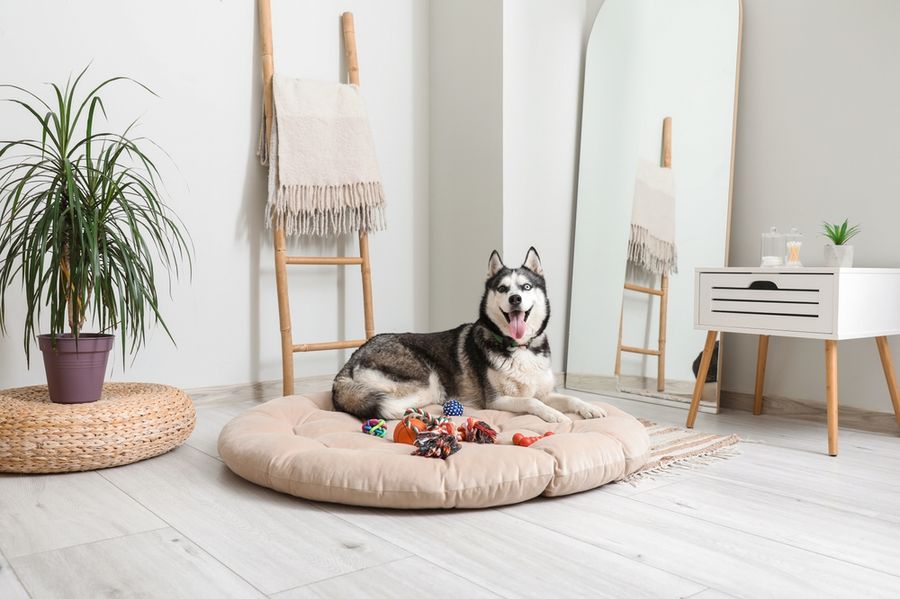
Huskies are one of the most stunning dog breeds in the world, and it's easy to see why people fall in love with their piercing blue eyes and wolf-like good looks. But the dreamy Instagram photos rarely tell the full story of what life with a Husky actually looks like. Behind the gorgeous coat and dramatic personality lies a high-energy, free-thinking, and sometimes mischievous breed that isn't right for every household. Before you commit, it helps to understand exactly what you're signing up for.
The Husky Personality at a Glance
Huskies are friendly, affectionate, and incredibly social dogs that thrive on attention and interaction. They're not the breed to bond with one person and ignore everyone else. Most Huskies love meeting new people, playing with other dogs, and being right in the middle of whatever's happening at home. They're playful, expressive, and full of personality.
You'll also quickly realize that Huskies don't make great guard dogs. Their friendly nature means they're more likely to greet a stranger with tail wags than barks. According to the American Kennel Club, Huskies are described as "mischievous, loyal, and outgoing," which sounds adorable but also hints at the challenges. They're sweet dogs, but they need owners who can keep up with their big personalities.
They Need Way More Exercise Than You Think
Huskies were bred to pull sleds across hundreds of miles of frozen tundra, and that working drive hasn't gone away just because they live in a suburban backyard now. They need at least one to two hours of vigorous exercise every single day, and even more if you want a calm dog at home. Short walks around the block won't cut it.
You'll need to plan for daily runs, long hikes, dog park visits, or activities like canicross, bikejoring, or skijoring. Without enough exercise, Huskies become destructive, anxious, and downright frustrating to live with. Chewed couches, dug-up yards, and constant howling are common warning signs of an under-exercised Husky. They're not the right breed for casual or sedentary households.
Huskies Are Notorious Escape Artists
If you've ever heard the joke that Huskies are basically furry felons, there's truth behind it. They're shockingly good at escaping from yards, crates, and even harnesses. Huskies can jump high fences, dig under barriers, slip out of collars, and figure out how to open doors. A bored Husky is a determined one.
You'll need to invest in tall, secure fencing, ideally with a buried or reinforced bottom, and never trust your Husky off-leash in unfenced areas. Their prey drive and wanderlust can override even the best training. It's recommended only to allow them off-leash in enclosed spaces. If you don't have the setup to safely contain one, you'll spend a lot of time chasing your dog around the neighborhood.
The Shedding Is Real (and Constant)
Huskies have a thick double coat designed to insulate them in subzero temperatures, and that coat sheds constantly. You'll find fur on your clothes, your couch, your car, and in places you didn't even know fur could reach. Twice a year, during what owners call "coat blow," Huskies shed in massive clumps for several weeks.
You'll want to invest in a good vacuum, a deshedding brush, and a healthy dose of patience. Daily brushing during shedding seasons is the only way to keep it manageable. Don't shave a Husky thinking it'll help, since their coat actually regulates body temperature in both hot and cold weather. If you can't handle constant cleanup, a Husky probably isn't the breed for you.
They're Stubborn and Independent
Huskies are smart, but they're not naturally eager to please the way breeds like Labradors or Golden Retrievers are. They were bred to make independent decisions on long sled runs, which means they often question your commands and decide for themselves whether listening seems worth their time. Training a Husky takes patience and consistency.
You'll need to use positive reinforcement, short training sessions, and a sense of humor. Harsh corrections rarely work and can damage your bond. Many Husky owners describe training as a long-term negotiation rather than a guaranteed outcome. The good news is, with the right approach, Huskies can learn just about anything. The bad news is they may still choose to ignore you when something more interesting catches their attention.
Howling, Talking, and "Husky Drama"
Huskies are one of the most vocal dog breeds out there. They don't just bark; they howl, whine, yip, and even seem to mumble entire sentences. The internet is full of viral videos of Huskies arguing with their owners, and once you've owned one, you'll know exactly how accurate those clips are. They're chatty dogs.
You'll either find the vocal nature charming or maddening, depending on your tolerance for noise. Apartment dwellers and people with close neighbors should think carefully before adopting one. Huskies often howl when they're excited, bored, anxious, or just feeling expressive. Training can help reduce excessive noise, but you'll never silence a Husky completely. Talking back is just part of who they are.
They Don't Always Get Along With Small Pets
Huskies have a strong prey drive, which is something many first-time owners don't expect. They were bred to chase, and small animals like cats, rabbits, hamsters, and even small dogs can trigger that instinct. Many Huskies live peacefully with other pets when raised with them from puppyhood, but it's never a guarantee.
You'll need to introduce other animals carefully, supervise closely, and never assume your Husky will leave a small pet alone outdoors. Prey drive is genetic and can't be fully trained away. If you have a multi-pet household, especially with cats or pocket pets, talk to a reputable breeder or rescue about whether a specific Husky has shown signs of being safe around smaller animals.
Health Issues to Watch For
Huskies are generally a healthy breed with a typical lifespan of 12 to 14 years, but they're prone to a few specific conditions worth knowing about. Hip dysplasia, eye conditions like cataracts and progressive retinal atrophy, and certain skin issues can all affect the breed. Reputable breeders should health-test for hip and eye conditions before breeding.
You'll also want to keep your Husky lean, since extra weight can worsen joint problems. Regular vet checkups, eye exams, and a high-quality diet go a long way. Pet insurance is worth considering, since orthopedic surgeries and vision issues can get expensive.
Who Huskies Are Really Best For
Huskies aren't bad dogs. They're just not the right fit for every lifestyle. They thrive with active, experienced owners who love spending time outdoors and have the time, patience, and energy to meet a Husky's demanding needs. Runners, hikers, sledders, and people who work from home with a fenced yard tend to do well with the breed.
You'll struggle with a Husky if you live in a small apartment with no outdoor access, work long hours, want a calm and obedient pet, or can't handle daily shedding and exercise demands. Honest self-assessment matters more than wishful thinking. The breed rewards committed owners, but it can be a nightmare for those who underestimate what life with a Husky truly requires.
Are You Ready for a Husky?
Huskies are gorgeous, hilarious, and full of personality, but they're also one of the most demanding dog breeds you can own. Behind every stunning Instagram photo is an owner who's hiking miles a day, vacuuming constantly, and patiently dealing with a stubborn, vocal companion. The breed is incredibly rewarding for the right person, but heartbreakingly mismatched for the wrong one.
You'll know a Husky is your dog if you can confidently say yes to long daily workouts, secure fencing, year-round shedding, and a partner-in-crime who'll talk back to you for the next decade-plus. If any of that sounds like too much, there are plenty of other amazing breeds out there. But if you're up for the adventure, owning a Husky can be one of the most memorable experiences of your life.