

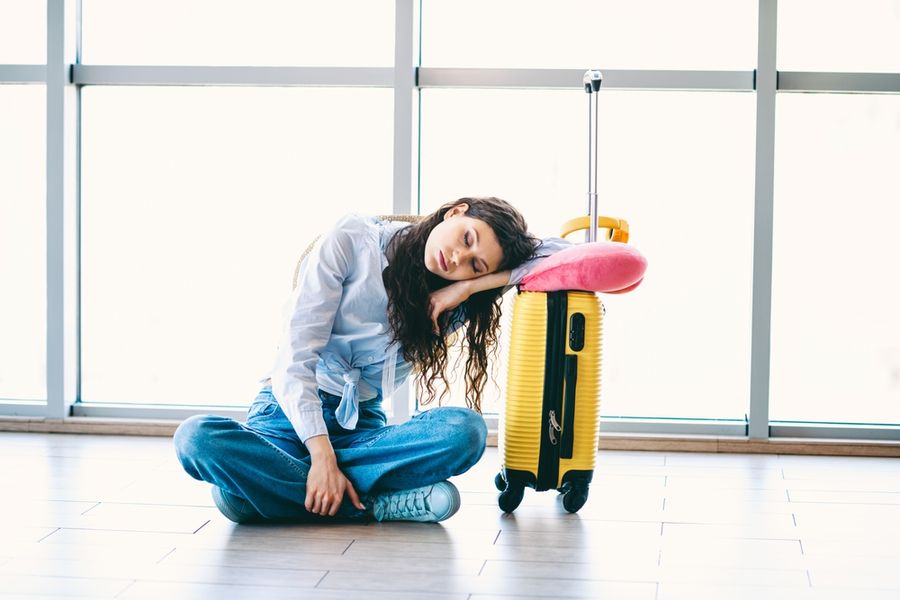
Few things ruin the start of a great trip faster than jet lag. You finally arrive at your dream destination, only to feel like a foggy, exhausted shell of yourself for the first three days. Travelers have tried every hack imaginable to dodge it. Some methods genuinely help your body adjust faster, while others are nothing more than overpriced placebos. If you've ever wondered which strategies are worth your time, science offers some surprisingly clear answers.
What Jet Lag Actually Is
Jet lag happens when your internal body clock, also known as your circadian rhythm, gets out of sync with the time zone you've traveled to. Your body still thinks it's bedtime back home, even though the sun's shining and locals are eating lunch. The symptoms can include fatigue, brain fog, irritability, headaches, digestive issues, and trouble sleeping at night.
Generally, the more time zones you cross, the worse it gets. Traveling east tends to be harder than traveling west because you're losing time and forcing your body to sleep earlier than it wants to. According to the Mayo Clinic, it can take roughly one day per time zone crossed for your body to fully adjust. That's why long-haul flights hit so hard.
Adjust Your Sleep Schedule Before You Leave
One of the most effective ways to beat jet lag is to start adjusting before you even step foot on the plane. A few days before departure, shift your bedtime and wake time by an hour or so toward your destination's schedule. If you're flying east, try going to bed earlier. If you're heading west, stay up a little later than usual.
You won't fully reset your clock at home, but even a partial shift gives your body a head start. Pair the schedule shift with light exposure at the right times, and you'll arrive feeling much closer to local time. Frequent flyers, especially business travelers and flight crews, often swear by tweaking their schedule in advance.
Get Sunlight (Strategically)
Light is the single biggest factor that controls your circadian rhythm, so using it strategically is one of the most powerful jet lag tools you have. Once you arrive, get outside and soak up natural sunlight, especially in the morning at your destination. Sunlight signals your brain to wake up and helps reset your internal clock.
You'll also want to avoid bright light at the wrong times. If you arrive in the evening, dim the lights and skip screens before bed. Some travelers use apps like Timeshifter, developed with input from Harvard sleep researchers, to figure out the optimal light exposure schedule for their specific flight. Light timing matters more than most people realize.
Stay Hydrated (and Skip the Alcohol)
Airplane cabins are notoriously dry, with humidity levels often below 20 percent. Combine that with caffeine, alcohol, and salty airplane food, and you've got a recipe for dehydration that makes jet lag symptoms even worse. Drink plenty of water before, during, and after your flight, and you'll feel noticeably better on arrival.
You'll also want to be careful with alcohol on the plane. While that glass of wine might feel relaxing, alcohol disrupts sleep quality and dehydrates you further. The same goes for too much coffee. Stick to water, herbal tea, or electrolyte drinks, and save the celebratory cocktails for once you've adjusted. Your body will thank you when you land.
Use Melatonin the Right Way
Melatonin is one of the most popular jet lag remedies, and the research actually backs it up when used correctly. Melatonin is the hormone your body naturally produces to signal sleep, and a small dose can help nudge your circadian rhythm in the right direction. The key is timing, not just popping a pill whenever you feel tired.
For eastward travel, take a low dose (0.5 to 3 milligrams) in the early evening at your destination for the first few nights. For westward travel, melatonin is less effective but can still help with nighttime wake-ups. The Cleveland Clinic recommends starting with the lowest dose possible and avoiding higher doses, which can actually disrupt sleep more than help it.
Time Your Meals to the New Time Zone
Your digestive system also runs on a circadian rhythm, and eating at the right times can help reset it. As soon as you land, try to eat meals at local times rather than when your body thinks it should be hungry. Even if you're not starving at noon local time, having lunch helps cue your body that it's daytime.
Some travelers even use fasting strategies on long-haul flights. The Argonne Anti-Jet-Lag Diet, for example, alternates feast and fast days before travel to help reset internal clocks. While the research on full fasting protocols is mixed, simply syncing your meals to your destination's schedule is a low-effort tactic that genuinely helps your body adjust faster.
Move Your Body When You Land
After sitting on a plane for 8 to 14 hours, the last thing you might feel like doing is exercising. But light movement after landing is one of the best things you can do for jet lag. Going for a walk, doing some gentle stretching, or hitting a hotel gym can boost circulation, improve your mood, and help you stay awake until local bedtime.
You don't need to crush a workout to get the benefits. Even a 20-minute walk outside, ideally in sunlight, can help reset your internal clock and ease the stiffness from your flight. Avoid intense workouts close to bedtime, since they can make it harder to fall asleep. Movement plus daylight is one of the best one-two punches against jet lag.
The Truth About "No-Jet-Lag" Pills and Hacks
The travel aisle is full of products claiming to cure jet lag, from homeopathic pills to special glasses to anti-jet lag aromatherapy oils. Most have very little scientific evidence behind them. The popular product "No-Jet-Lag" homeopathic tablets, for example, haven't been shown to work better than a placebo in clinical studies.
That doesn't mean every gadget is useless. Blue-light blocking glasses can help if used at the right times, and apps like Timeshifter have real science behind their recommendations. But if a product promises to "cure" jet lag instantly, be skeptical. The fundamentals (light, sleep, hydration, and timing) will always do more than a $40 bottle of pills.
What to Do If Jet Lag Hits You Hard
Even with the best preparation, sometimes jet lag still wins. If you're struggling after arrival, don't fight it too hard on day one. A short nap (no longer than 30 minutes) can help you push through the afternoon without ruining your nighttime sleep. Stay hydrated, eat regular meals, and get outside as much as possible.
You'll also want to be patient with yourself. It can take several days for your body to fully adjust, especially after long-haul flights crossing six or more time zones. Avoid making big plans or important meetings on day one if you can. The faster you settle into local routines, the faster your body will follow along.
Winning the Time Zone Game
Beating jet lag isn't about finding one magical pill or hack. It's about stacking small, science-backed habits that help your body adjust faster. Adjusting your schedule before departure, using light strategically, staying hydrated, eating on local time, and being smart with melatonin all add up to a much smoother arrival.
You won't completely avoid jet lag on every trip, but you can dramatically reduce how badly it hits. Pay attention to what works for your body, and don't fall for expensive gimmicks. With a little planning and a few good habits, you'll spend more time enjoying your destination and less time dragging yourself through it.