

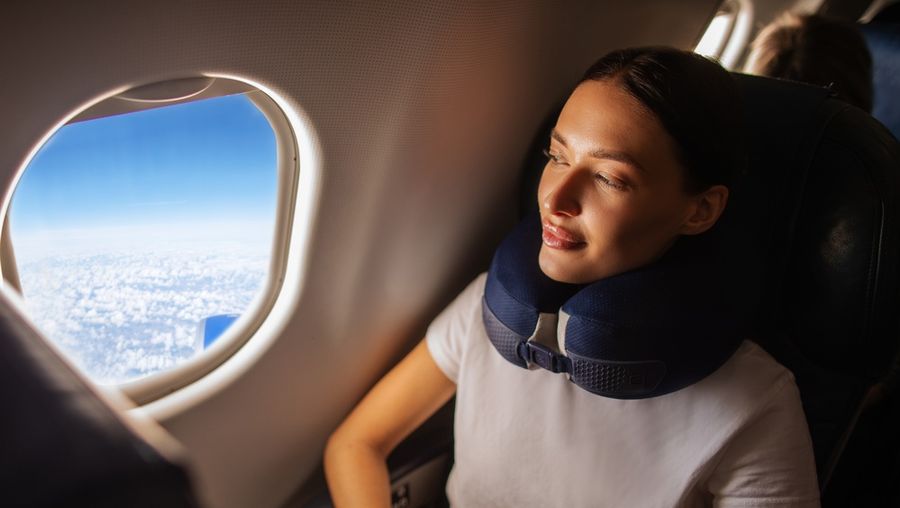
Long-haul flights in economy aren't anyone's idea of a good time. You're crammed into a tight seat, breathing recycled air, and trying to sleep with someone's elbow occasionally bumping yours. But seasoned travelers have figured out plenty of tricks to make even 14-hour flights feel manageable, dare say even pleasant. Whether you're flying across oceans for vacation, work, or to visit family, a few smart strategies can make the difference between arriving frazzled and arriving ready to enjoy your trip.
Pick Your Seat Strategically
Your seat assignment can make or break a long-haul flight, so do your best not to leave it to chance. If you can, book your seat as soon as you purchase your ticket. Aisle seats give you freedom to stretch and use the restroom without climbing over anyone, while window seats let you lean against the wall and sleep more easily. Avoid seats near the bathrooms or galleys when possible.
You'll also want to check seat maps on tools like AeroLOPA before booking. Some seats have less recline, missing windows, or limited legroom due to equipment. Exit row and bulkhead seats often have more legroom, but they may come with restrictions like no under-seat storage. A few minutes of research can pay off in hours of comfort.
Dress for Comfort, Not Fashion
Long-haul flights are not the time to make a fashion statement. You'll be sitting for hours in cabin temperatures that can swing from chilly to stuffy, so dress in soft, breathable layers you can adjust easily. Think loose joggers or stretchy pants, a comfortable T-shirt, a cozy hoodie or cardigan, and slip-on shoes you can kick off mid-flight.
Compression socks are another underrated win for long-haul flyers. They can help with circulation and reduce the swelling that often happens when you sit for too long at altitude. It's best to avoid tight jeans, restrictive belts, or anything that pinches at the waist. Your goal is to feel like you're in your favorite loungewear, just slightly more presentable for security and customs.
Pack a Smart Carry-On
A well-stocked carry-on can turn a miserable flight into a manageable one. Start with the basics: noise-canceling headphones, a travel pillow, an eye mask, earplugs, and a portable charger. Add a refillable water bottle (empty until you're through security), some lip balm, hand cream, and face moisturizer to combat dry cabin air.
You'll also want to pack a small toiletry kit for freshening up before landing. A toothbrush, travel toothpaste, deodorant, and face wipes can work wonders after 12 hours in the air. Throw in a clean shirt or pair of socks if you have room. Stepping off the plane feeling somewhat human makes a huge difference, especially if you've got plans soon after landing.
Stay Hydrated From the Start
Cabin humidity drops to around 10 to 20 percent on long-haul flights, which is drier than most deserts. Dehydration makes fatigue, headaches, and jet lag much worse, so hydrating throughout your flight is non-negotiable. Drink water consistently rather than gulping a bottle right before bed and dealing with bathroom trips all night.
You'll also want to limit alcohol and caffeine, even though that pre-takeoff cocktail is tempting. Both dehydrate you and disrupt sleep quality. Bring your own electrolyte tablets or packets if you really want to stay ahead of dehydration. Skip the salty pretzels when possible, and ask for water every time the cart comes by. Your body and your skin will thank you when you land!
Move Around Often
Sitting for hours on end isn't just uncomfortable, it can actually be dangerous. Long flights increase your risk of deep vein thrombosis (DVT), a blood clot condition caused by limited movement. To stay safe and comfortable, get up and walk around the cabin every two to three hours, especially if your flight is over six hours long.
You can also do simple seated exercises like ankle rolls, calf raises, knee lifts, and shoulder shrugs right at your seat. Staying active during flights significantly reduces the risk of blood clots. Plus, moving around helps you feel less stiff and bloated when you land. Set a reminder on your phone if you tend to forget once you're absorbed in a movie.
Master the Art of Sleeping on a Plane
Sleeping in economy is tough, but it's not impossible with the right tools. A quality travel pillow makes a huge difference. Memory foam options are favorites among frequent flyers. Pair it with a sleep mask, noise-canceling headphones, and a light scarf or wrap to use as a blanket.
You'll sleep better if you set the mood early. To help, avoid screens before "bedtime" on the plane, dim your overhead light, and try meditation apps like Calm or Headspace if you can't shut your brain off. Some travelers take a low dose of melatonin to help, but check with your doctor first. The goal isn't perfect sleep, just enough rest to function at your destination.
Bring Your Own Entertainment
Don't rely entirely on the plane's in-flight entertainment system. Screens go out, selection is hit-or-miss, and sometimes the audio quality is terrible. Download movies, TV shows, podcasts, audiobooks, and music to your phone or tablet before you board. Apps like Netflix, Spotify, and Audible all support offline downloads.
You'll also want backup options for when you're tired of screens. Pack a physical book, a Kindle, a crossword puzzle, or even a sketchpad if that's your thing. A long flight is one of the rare times you have zero distractions, so it's a great excuse to dig into something you've been putting off. Time goes faster when your brain has something to do.
Eat (and Snack) Wisely
Airplane food gets a bad rap, but you don't have to rely on it entirely. Pack your own snacks like protein bars, nuts, dried fruit, or even a sandwich made before you fly. Avoid super salty or heavy foods that make you feel sluggish. Your stomach is already a little off at altitude, so go light when possible.
You'll feel best if you try to eat on your destination's schedule, not your home time zone's. According to Harvard researchers, syncing meals with local time helps your body adjust faster after long-haul flights. Skip airline meals if you're not actually hungry. Sometimes the best move is letting your body rest rather than forcing down another mystery pasta dish at 3 a.m. body time.
Mind Your Mental Game
A huge part of surviving a long-haul flight is mental. Going in with the right mindset, knowing it'll be long and a little uncomfortable, helps you ride out the rough patches. Remind yourself that every hour passing is one closer to your destination. Don't keep checking the flight map obsessively, since it tends to make time feel slower.
You'll also have more fun if you treat the flight like part of your trip rather than something to endure. Watch a movie you've been excited about, journal a little, and plan out your first day at your destination. Some travelers even bring a "flight kit" with small treats they only use on long-haul flights. Whatever helps you stay positive is worth packing.
Landing Like a Pro
Long-haul flights in economy don't have to leave you feeling broken. With the right preparation, the right gear, and a few smart habits, you can step off the plane feeling like a slightly tired version of yourself rather than a walking zombie. Comfort is mostly about planning ahead, not about paying for an upgrade.
You can also experiment to figure out what works best for your body. Some travelers swear by melatonin, others by intense in-flight hydration routines, others by simply tuning out with great headphones. Whatever your strategy, the goal is the same: arriving at your destination ready to start the adventure, not just collapse in your hotel room. Safe travels, and enjoy the ride.