

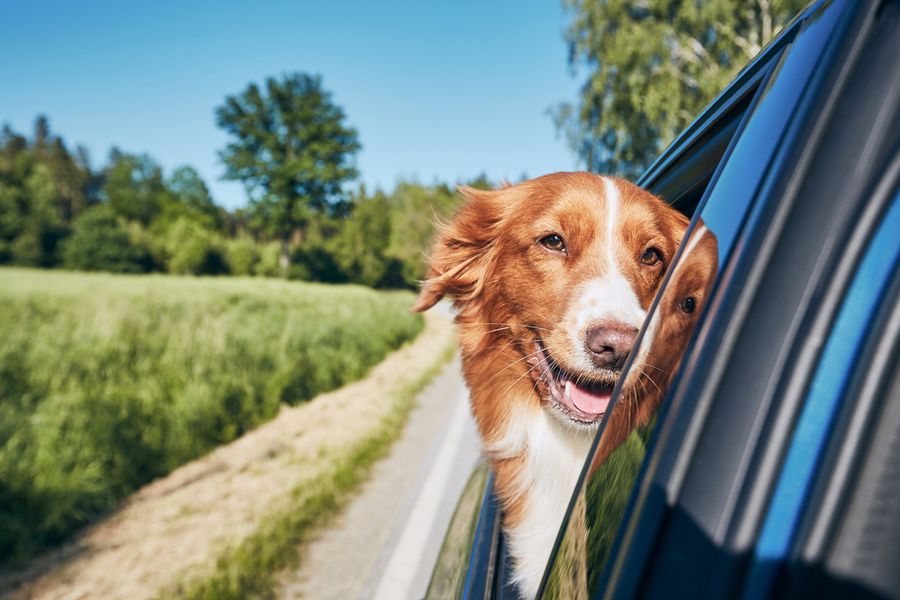
Few things beat a road trip with your dog or cat riding shotgun. But pet travel comes with its own challenges, from unexpected motion sickness to finding hotels that actually welcome four-legged guests. A little planning can save you a lot of headaches and keep your pet safe and comfortable from start to finish. Whether you're driving across a couple states or making a cross-country move, smart prep makes the journey just as enjoyable as the destination.
Prep Your Pet Before the Trip
Don't wait until departure day to find out how your pet handles the car. Take a few practice drives in the weeks leading up to your trip, starting with short trips around the neighborhood and working up to longer drives. The exposure helps you spot issues like motion sickness, anxiety, or restlessness before you're hours from home.
You'll also want to schedule a vet visit before any long trip. Make sure vaccines are up to date, ask about anti-nausea or anti-anxiety medications if needed, and confirm your pet is healthy enough for travel. A quick checkup before a road trip can prevent surprise issues mid-journey. It also gives you a chance to update microchip info and refill any prescriptions.
Pack a Pet-Specific Travel Kit
Your pet needs their own packed bag, just like you do. Include enough food for the full trip plus a few extra days, a collapsible water bowl, treats, poop bags, a leash, a harness, favorite toys, bedding, medications, and any grooming essentials. Don't forget a small first aid kit with vet-approved basics like gauze, tweezers, and antiseptic wipes.
You'll also want to pack cleaning supplies in case of accidents. Paper towels, wet wipes, an enzyme cleaner, and a few towels go a long way. Bring a couple of familiar items from home, like a favorite blanket or toy, to help your pet feel grounded in new spaces. A well-stocked kit makes it easier to handle whatever comes up, whether it's a quick bathroom break or a longer hotel stay.
Use a Proper Pet Restraint or Carrier
Unrestrained pets are dangerous in a car, both for themselves and for everyone else inside. A loose pet can distract the driver, get injured in sudden stops, or escape during accidents. Use a crash-tested harness, secure carrier, or pet seatbelt every time your pet is in the vehicle. The Center for Pet Safety publishes a list of crash-tested products worth considering.
You'll find that cats almost always travel best in carriers, while dogs can use either a carrier, a crate, or a properly fitted vehicle safety harness. Place carriers in the back seat or cargo area where they're less likely to shift around. Avoid letting your dog ride with their head out the window, even though they love it. Flying debris and sudden stops can cause serious injuries.
Plan Pet-Friendly Stops Along the Way
Pets need regular breaks just like you do. Plan to stop every two to three hours for bathroom breaks, water, and a quick walk to stretch their legs. Apps like BringFido can help you find pet-friendly rest stops, parks, and trails along your route. Many highway rest areas now have designated pet relief zones.
You'll also want to keep stops short and structured. Long off-leash sessions in unfamiliar areas can lead to escapes, especially if your pet is nervous. Always leash your pet before opening the car door, even if they're usually well-trained.
Never Leave Your Pet in a Hot Car
Hot cars are one of the biggest dangers for traveling pets. Even on a 70-degree day, the inside of a car can heat up to over 100 degrees within 20 minutes. Cracking a window does almost nothing to prevent it. Heatstroke can occur in minutes and is often fatal, so the only safe option is to never leave your pet alone in the car.
You'll want to plan stops where pets are allowed inside or where someone can stay with them in the air conditioning. Drive-throughs work for quick food stops. If you must run an errand, do it when temperatures are mild, and someone can stay in the vehicle.
Book Pet-Friendly Lodging in Advance
Not every hotel welcomes pets, and the ones that do often have weight limits, breed restrictions, or extra fees. Booking in advance through sites like BringFido, Booking.com's pet filter, or directly with chains like La Quinta, Kimpton, Best Western, and Red Roof Inn ensures you have a guaranteed pet-friendly room when you arrive.
You'll also want to confirm specific rules with the hotel before booking. Some properties allow only one dog per room, charge nonrefundable pet fees, or limit access to certain rooms. Bring your pet's vaccine records in case the hotel asks. Also, avoid leaving your pet alone in the hotel room if they tend to bark or become destructive. A little extra planning ensures a smooth stay for everyone.
Keep ID and Vet Records Handy
Make sure your pet's collar has an updated ID tag with your phone number, and that their microchip information is current with your most recent contact info. Pets can slip away during stops, hotel doors, or unfamiliar surroundings, and clear identification is the fastest way to be reunited.
You'll also want a folder (digital or paper) with key documents like vaccination records, microchip info, vet contact details, and any health certifications required for crossing state lines. Some destinations or hotels may ask to see them.
Help Anxious Pets Stay Calm
If your pet is nervous in the car, plan ahead to keep them calm. Calming aids, like ThunderShirts, calming chews, or anti-anxiety medications prescribed by your vet, can ease motion sickness, hyperactivity, and stress. Test products at home first so you know how your pet reacts.
You'll also want to keep the car environment soothing. Play soft music, keep the temperature comfortable, and avoid feeding right before driving to prevent nausea. Familiar bedding and toys help your pet settle in. A combination of environmental adjustments, training, and calming aids tends to produce the best results for stressed travelers. The more relaxed your pet, the more enjoyable the drive for everyone.
Know Your Pet's Limits
Not every pet enjoys road tripping, and that's okay. Some dogs and cats simply do better with shorter trips or staying home with a sitter. Watch for signs of stress like excessive panting, drooling, whining, or refusing food. If your pet is consistently uncomfortable, talk to your vet before insisting on long drives.
You'll also want to factor in age and health. Senior pets, brachycephalic breeds (like French Bulldogs or Persians), and pets with chronic conditions may struggle more with extended travel. Build in extra rest, easy bathroom breaks, and shorter daily driving times. A trip should feel like an adventure for both of you, not a stressful endurance test. Pay attention to your pet's needs and adjust accordingly.
Hitting the Road With Confidence
Road trips with pets can be some of the most rewarding (and entertaining) trips you'll ever take. With smart prep, the right gear, and a calm, pet-friendly schedule, you can hit the road feeling confident that your dog or cat is along for a happy ride. Every successful trip builds your pet's comfort for future adventures.
You'll also create lifelong memories together, whether you're road-tripping to a national park, visiting family, or moving across the country. Take it slow, plan ahead, and don't underestimate the value of breaks and good snacks for everyone in the car. With the right approach, your pet becomes the best co-pilot you could ask for.