

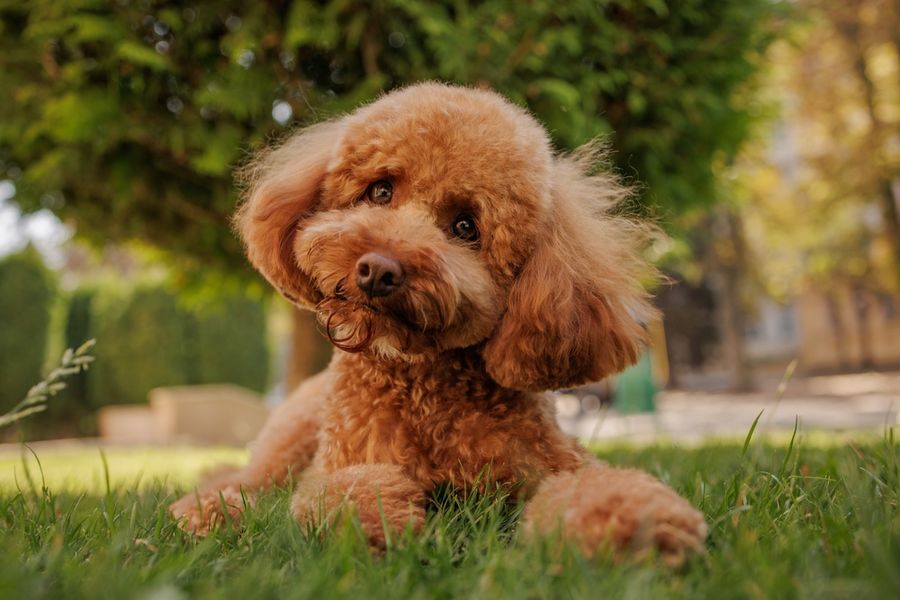
Living with pet allergies doesn't have to mean giving up your dream of having a dog. While no breed is 100 percent hypoallergenic, plenty of dogs shed minimally and produce less dander, which can make a huge difference for people with sensitivities. The right breed pairs well with regular grooming, a clean home, and a few smart habits to keep allergy symptoms in check. From curly-coated cuties to wiry-haired companions, several breeds consistently rank as the best options for allergy-prone families.
Poodle (Standard, Miniature, and Toy)
Poodles are arguably the most well-known low-shedding breed, and for good reason. They come in three sizes, all with curly, tightly coiled coats that trap loose hair instead of releasing it into the air. Poodles are also incredibly intelligent, easy to train, and friendly, making them a popular choice for families dealing with allergies.
You'll need to keep up with regular grooming since Poodle coats can mat quickly without brushing. Professional grooming every four to six weeks helps keep their coat manageable. Whether you choose a Standard, Miniature, or Toy Poodle, you're getting a smart, loving dog that's gentle on allergy symptoms.
Bichon Frise
Bichons are little white puffballs of joy with personalities to match. The breed's tightly curled double coat sheds very little, with loose hair tending to get caught in the curls rather than landing on your couch. They're known for being affectionate, social, and great with kids, which makes them a favorite for families.
You'll need to commit to regular grooming, ideally every four weeks, since Bichon coats mat easily. Daily brushing helps keep things tidy in between appointments. They thrive on companionship, so plan to spend plenty of time with your Bichon, since they don't love being left alone for long stretches.
Portuguese Water Dog
Portuguese Water Dogs gained worldwide fame when the Obama family adopted one named Bo, specifically because of their daughter's allergies. The breed has either a wavy or curly coat that sheds minimally and produces less dander than many other breeds. They're active, intelligent, and love being part of family life.
You'll find Portuguese Water Dogs are slightly higher-energy than some other low-shedding breeds. They were originally bred to work alongside Portuguese fishermen, so they thrive on exercise, swimming, and games that engage their brains. Portuguese Water Dogs are athletic and adventurous, which makes them perfect for active households. Regular grooming and trims every six to eight weeks keep their coat in great condition.
Maltese
Maltese dogs are tiny, gentle, and famously low-shedding. Their long, silky white coat is hair rather than fur, which means it grows continuously and rarely sheds significantly. With regular grooming, Maltese coats stay smooth and beautiful, and they're known for being affectionate companions who fit well into apartments and smaller homes.
You'll need to brush a Maltese daily to prevent tangles, especially around the face and ears. Many owners opt for a shorter "puppy cut" to make grooming easier. The breed tends to be very loyal to their humans and gets along well with older children and other small pets. Maltese are also generally healthy and live a long time, often reaching 12 to 15 years with proper care.
Schnauzer (Miniature, Standard, and Giant)
Schnauzers come in three sizes, but all of them have wiry double coats that shed very little. The breed's signature beard and eyebrows give them a distinctive look, while their coats trap loose hair until grooming removes it. Schnauzers are known for being smart, alert, and loyal, making them great watchdogs and family pets.
You'll need to schedule hand-stripping or clipping every six to eight weeks to keep a Schnauzer's coat looking sharp. Brushing once or twice a week prevents tangles. Their high intelligence makes them quick learners, so training is usually rewarding for both you and the dog.
Shih Tzu
Shih Tzus may look fluffy, but their luxurious double coat is actually made of hair, not fur, and they shed very little. Originally bred to be companions for Chinese royalty, the breed is small, affectionate, and adapts well to most living situations. They're great for apartments and households looking for a low-shedding lap dog.
You'll need to commit to grooming, since their long coats can mat quickly without daily brushing. Many owners keep Shih Tzus in a short "puppy cut" for easier maintenance. The breed is generally friendly with kids, other pets, and strangers, though they can be a bit stubborn during training. With patience and consistency, Shih Tzus become incredibly loving companions who do well in nearly any home.
Yorkshire Terrier
Yorkies are tiny dogs with big personalities and silky, hair-like coats that shed very little. They're a favorite among city dwellers thanks to their small size, but don't let their delicate look fool you. Yorkies are bold, confident, and surprisingly athletic for their size. Their coat is more similar to human hair than typical dog fur.
You'll need to brush a Yorkie regularly, especially if you're keeping their coat long. Many owners trim them shorter for easier maintenance. They're spirited little dogs, often very loyal to their owners, but they can be feisty around other pets if not properly socialized early on.
Soft Coated Wheaten Terrier
The Soft Coated Wheaten Terrier is a medium-sized breed with a wavy, low-shedding coat that's soft to the touch. Originally bred as Irish farm dogs, Wheatens are friendly, playful, and tend to greet everyone like a long-lost friend. They're often described as one of the most cheerful terrier breeds.
You'll want to be prepared for daily brushing, since their wavy coats can mat quickly. Professional grooming every six to eight weeks helps keep them looking their best. Wheatens are a great middle-ground option for families who want a low-shedding breed that's bigger than a Yorkie or Bichon but smaller than a Standard Poodle. They're energetic and love active families willing to keep up with them.
Tips for Living With Dogs When You Have Allergies
Even with a low-shedding breed, allergies can flare up if you don't manage your environment. Bathe your dog every two to four weeks to wash away loose dander. Vacuum frequently using a HEPA filter, and consider running an air purifier in the main living areas. Wash dog beds, blankets, and toys weekly to keep allergens under control.
You'll also want to designate certain rooms, like bedrooms, as dog-free zones if your allergies are severe. Wash your hands after handling your dog, and avoid touching your face after petting them.
Finding the Right Dog for an Allergy-Sensitive Home
Choosing a low-shedding breed is one of the smartest moves you can make if allergies are a concern in your home. The breeds above all combine minimal shedding with great personalities, making them well-rounded options for families, individuals, and seniors alike. Pair a great breed with smart cleaning habits, and you can enjoy life with a dog without constant sneezing and itching.
You'll want to spend time with the specific dog you're considering before committing, since allergens can vary from individual to individual. Visit breeders or rescues in person, and ask if you can interact with the dogs before adopting. The right breed plus a consistent care routine can completely transform what it's like to live with a dog when allergies are part of your life.