

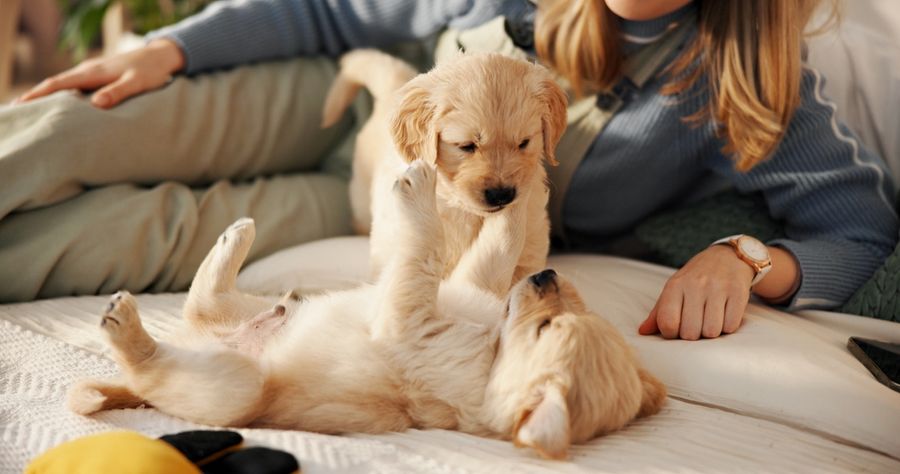
Bringing home a new puppy is one of the most exciting moments in any pet owner's life, but it also comes with a steep learning curve. The first year shapes everything from your dog's behavior to their long-term health, and a lot happens in a short amount of time. Vaccinations, training, feeding, and socialization all need to fit into the calendar before your puppy turns one. With a clear roadmap, you can feel confident every step of the way.
Preparing Your Home Before Bringing a Puppy Home
Before your puppy walks through the door, your home should already be ready for them. Puppy-proof low cabinets, secure loose cords, move toxic plants out of reach, and put away anything chewable that you don't want destroyed. Baby gates, an exercise pen, and a properly sized crate are some of the most useful early purchases you can make.
You'll also want to stock up on the basics: a quality puppy food, food and water bowls, a collar with ID tag, a leash, and a few safe toys. Plan ahead for sleeping arrangements, too. Most puppies settle in faster with a crate placed near the family. Puppies who have a structured space from day one often adjust to their new homes much more easily.
The First Vet Visit and Initial Vaccines
Schedule your puppy's first vet visit within the first week of bringing them home. The exam usually includes a full health check, deworming, fecal test, and the first round of vaccines. Your vet will also help you set up a personalized vaccination schedule based on your puppy's breed, age, and lifestyle.
You'll want to come prepared with questions about feeding, training, microchipping, and spaying or neutering timelines. Bring any paperwork from your breeder or rescue along with you. Most vets recommend starting flea, tick, and heartworm prevention right around eight weeks of age. Early vet care is one of the strongest predictors of long-term health, so don't skip it.
Puppy Vaccine Schedule by Month
Puppy vaccines typically start around six to eight weeks of age and continue every three to four weeks until your pup is around 16 weeks old. Core vaccines include distemper, parvovirus, hepatitis, and parainfluenza, often combined into a single DA2PP shot. Rabies is generally given between 14 and 16 weeks, depending on local laws.
You'll also want to discuss optional vaccines like Bordetella, Leptospirosis, Lyme, and canine influenza based on your area and lifestyle. Boarding facilities, doggy daycares, and grooming salons often require certain vaccines beyond the core list. Puppy vaccines aren't optional fluff. Sticking to the schedule protects your dog from life-threatening diseases that can be costly or impossible to treat.
Feeding Your Puppy in the First Year
Feeding a puppy isn't quite the same as feeding an adult dog. Puppies grow rapidly and need food specifically formulated for their stage of life. Look for products labeled "complete and balanced for growth" by the Association of American Feed Control Officials (AAFCO). Small breeds, large breeds, and giant breeds all have slightly different nutritional needs.
You'll typically feed three to four small meals a day until around six months, then transition to two meals a day. Large and giant breed puppies should eat a large-breed-specific formula to support slow, steady growth and prevent joint problems. Talk to your vet about when to switch to adult food, which usually happens between 12 and 24 months, depending on the breed.
Potty Training the Right Way
Potty training is one of the biggest hurdles for new puppy owners. Most puppies can hold their bladder about one hour per month of age, so an eight-week-old pup likely needs a bathroom break every couple of hours. Take your puppy out first thing in the morning, after meals, after naps, after play, and right before bed.
You'll want to use a consistent spot outside and a simple cue word like "go potty." When your puppy goes in the right place, praise enthusiastically and offer a treat. Accidents will happen, but don't punish your puppy for them. Calmly clean the area with an enzyme cleaner and try to anticipate the next bathroom break. Patience and consistency are the keys to success.
Crate Training and Sleep Routines
A crate isn't a punishment. Done correctly, it becomes your puppy's safe space and a powerful tool for potty training, travel, and giving them quiet downtime. Start by introducing the crate with treats and meals inside. Keep the door open at first, then slowly increase the time spent inside with the door closed.
You'll also want to set up a calm bedtime routine from the start. Most puppies sleep around 18 to 20 hours a day, so plenty of nap time is essential. Don't be discouraged if your puppy whines at night during the first few weeks. Many vets recommend placing the crate in your bedroom early on to help your pup feel secure.
Socialization in the Critical Window
The first 16 weeks of your puppy's life are known as the "socialization window," and they're absolutely critical. During the period, your puppy is forming opinions about people, places, sounds, and experiences that will shape their personality for life. Aim to introduce your pup to a wide variety of safe, positive experiences during these few weeks.
You'll want to expose your puppy to different surfaces, sounds, smells, and people of all shapes and sizes. Once vaccines are far enough along, sign up for puppy classes designed for socialization in a controlled setting. The American Veterinary Society of Animal Behavior strongly recommends starting socialization before vaccines are fully complete, since under-socialized puppies have higher rates of behavior problems later in life.
Basic Training and Obedience Milestones
Training should start the moment your puppy comes home. Even at eight weeks, puppies can learn simple commands like sit, come, and their name. Use short, positive sessions that last just a few minutes at a time. Treats, praise, and play are the most effective rewards. Avoid harsh corrections, which can damage trust and slow down learning.
You'll want to teach essential cues like sit, down, stay, leave it, come, and loose-leash walking during the first six months. Puppy kindergarten classes are great for both training and socialization. By the time your dog is around a year old, they should have a solid foundation in basic obedience. Group classes also give you tools to manage common puppy issues like nipping, jumping, and chewing.
Growth and Developmental Milestones by Age
Puppies grow at lightning speed, and major changes happen each month. By 8 to 12 weeks, your pup is learning home routines, getting their initial vaccines, and beginning training. Between 3 and 6 months, you'll see major teething, growth spurts, and a curiosity explosion. Adult teeth typically come in around 6 months of age.
You'll notice mental and physical maturity continuing well past the first year. Small breeds often mature by 12 months, while large and giant breeds may not finish growing until 18 to 24 months. The "teenager" phase between 6 and 18 months can be challenging, as puppies test boundaries and seem to forget their training. Stay consistent, and you'll get through it together.
Setting Your Puppy Up for a Lifetime of Success
The first year flies by, but everything you do during that time lays the foundation for the next decade of your dog's life. Stay consistent with vaccines, training, feeding, and socialization, and you'll raise a confident, well-adjusted adult dog. Remember that no puppy is perfect, and setbacks are part of the journey.
You'll be amazed at how much your dog changes over the course of the first year, from a tiny ball of fluff to a confident young adult. Take photos, celebrate milestones, and lean on your vet, trainer, and breed community whenever you need support. The hard work pays off in years of companionship, loyalty, and unconditional love.